Autor: mancergar@gmail.com

  • 10 Easy Piano Songs for Beginners to Master in No Time

    Learning to play the piano can be a daunting task, especially for beginners. However, with the right approach and practice, anyone can master this beautiful instrument in no time. One of the best ways to start your piano journey is by learning easy songs that will help you build a solid foundation and improve your skills. In this article, we’ve compiled a list of 10 easy piano songs that are perfect for beginners. These songs are not only easy to play but also fun and engaging, making your learning experience a lot more enjoyable. From classic tunes to modern hits, this list has something for everyone. So, whether you’re a complete beginner or looking to brush up on your piano skills, these songs will help you get there in no time!

    Why learning easy piano songs is important for beginners

    As a beginner, it’s important to start with easy piano songs for several reasons. First, easy songs are simple and straightforward, which makes them easier to learn and play. This can help build your confidence and motivate you to continue practicing. Second, easy songs are great for developing your finger dexterity and hand-eye coordination. By playing simple songs, you can train your fingers to move more quickly and accurately. Finally, easy songs are a great way to build a solid foundation of music theory. By learning simple songs, you can begin to understand how chords and notes work together to create music.

    Criteria for selecting easy piano songs

    When selecting easy piano songs, there are a few criteria to consider. First, the song should have a simple melody that is easy to follow. This will make it easier to learn and play. Second, the song should have a limited range of notes. This will make it easier to play without having to constantly move your hands up and down the keyboard. Third, the song should have a simple chord progression. This will help you understand how chords work together to create music. Finally, the song should be fun and engaging to play. This will help keep you motivated and interested in practicing.

    Top 10 easy piano songs for beginners

    1. “Twinkle, Twinkle, Little Star” – This is a classic children’s song that is easy to play and fun to sing along to. The melody is simple, and the chord progression is easy to follow.

    2. “Happy Birthday” – This is another classic song that is easy to play. The melody is simple, and the chord progression is easy to follow. Plus, you can impress your friends and family by playing this song on their birthday.

    3. “Chopsticks” – This is a fun and playful song that is easy to play. The melody is simple, and the chord progression is easy to follow. Plus, it’s a great way to show off your piano skills to your friends.

    4. “Mary Had a Little Lamb” – This is another classic children’s song that is easy to play. The melody is simple, and the chord progression is easy to follow. Plus, it’s a great way to practice your finger dexterity.

    5. “Für Elise” by Ludwig van Beethoven – This song might seem intimidating, but the first section of it is surprisingly easy to play. The melody is simple, and the chord progression is easy to follow. Plus, it’s a great way to impress your friends and family.

    6. “Jingle Bells” – This is a fun and upbeat holiday song that is easy to play. The melody is simple, and the chord progression is easy to follow. Plus, it’s a great way to get into the holiday spirit.

    7. “Heart and Soul” – This is a fun and playful song that is easy to play. The melody is simple, and the chord progression is easy to follow. Plus, it’s a great way to show off your piano skills to your friends.

    8. “The Entertainer” by Scott Joplin – This song might seem intimidating, but the first section of it is surprisingly easy to play. The melody is simple, and the chord progression is easy to follow. Plus, it’s a great way to impress your friends and family.

    9. “Hedwig’s Theme” from Harry Potter – This is a fun and magical song that is easy to play. The melody is simple, and the chord progression is easy to follow. Plus, it’s a great way to show off your love for Harry Potter.

    10. “Let It Be” by The Beatles – This is a classic song that is easy to play. The melody is simple, and the chord progression is easy to follow. Plus, it’s a great way to showcase your piano skills.

    How to approach learning a new song

    Learning a new song can be a daunting task, but with the right approach, it can be a lot easier. Here are some tips for approaching a new song:

    1. Listen to the song – Before you start playing a new song, listen to it several times. This will help you get a feel for the melody and rhythm.

    2. Break the song into sections – Once you’ve listened to the song, break it into sections. This will make it easier to learn and practice.

    3. Start slow – When you first start playing a new song, start slow. This will help you focus on playing the notes accurately.

    4. Practice each section separately – Once you’ve broken the song into sections, practice each section separately. This will help you focus on the specific notes and chords in each section.

    5. Practice with a metronome – A metronome can help you keep a steady rhythm while you practice. This will help you develop your timing and rhythm.

    Tips for practicing and mastering the songs

    Once you’ve learned a new song, it’s important to practice it regularly in order to master it. Here are some tips for practicing and mastering the songs:

    1. Practice regularly – Practice the song every day if possible. This will help you develop muscle memory and improve your skills.

    2. Break the song into smaller sections – If you’re having trouble with a specific section of the song, break it into smaller sections and practice each section separately.

    3. Practice with a metronome – A metronome can help you keep a steady rhythm while you practice. This will help you develop your timing and rhythm.

    4. Practice slowly – When you first start practicing a song, practice it slowly. This will help you focus on playing the notes accurately.

    5. Record yourself playing – Recording yourself playing can help you identify areas where you need to improve.

    Resources for learning and practicing piano

    There are many resources available for learning and practicing piano. Here are some of our favorites:

    1. Online piano lessons – Websites like Piano Marvel and Playground Sessions offer online piano lessons that you can take from the comfort of your own home.

    2. Piano apps – Apps like Simply Piano and Flowkey offer interactive piano lessons that you can access on your smartphone or tablet.

    3. Piano books – There are many piano books available that can help you learn new songs and improve your skills.

    4. YouTube tutorials – There are many piano tutorials available on YouTube that can help you learn new songs and improve your skills.

    Piano maintenance and care tips

    Piano maintenance and care tipsKey Instruments, CC BY-SA 4.0 https://creativecommons.org/licenses/by-sa/4.0via Wikimedia Commons

    In addition to practicing regularly, it’s important to take care of your piano. Here are some maintenance and care tips:

    1. Keep your piano clean – Dust your piano regularly to keep it clean and free of dirt and debris.

    2. Tune your piano regularly – It’s important to have your piano tuned regularly to keep it sounding its best.

    3. Keep your piano in a stable environment – Avoid placing your piano near windows or doors where it may be exposed to temperature changes or drafts.

    4. Cover your piano when not in use – Covering your piano when not in use can help protect it from dust and debris.

    Conclusion

    Playing the piano can be an enjoyable and rewarding experience, especially when you start with easy piano songs. By learning simple songs, you can build a solid foundation of music theory and improve your skills. With regular practice and the right resources, you can master these 10 easy piano songs in no time!

    Additional resources and recommendations

    If you’re looking for more resources to help you learn and practice piano, here are some additional recommendations:

    1. Piano Lessons on the Web – https://www.pianolessonsontheweb.com/

    2. Piano World – https://www.pianoworld.com/

    3. Online Piano Coach – https://www.onlinepianocoach.com/

    4. Piano Career Academy – https://www.pianocareeracademy.com/
  • From Dirty Harry to The Mule: How Clint Eastwood’s Movies Depict Real-Life Crimes

    Clint Eastwood true crime. Clint Eastwood is a Hollywood legend, known for his iconic roles in movies like Dirty Harry and Unforgiven. But did you know that many of his films are inspired by real-life crimes? From bank robberies to serial killers, Eastwood’s movies have often delved into the darker side of society. In recent years, his movies have taken a turn towards true crime, with films like The Mule and Richard Jewell based on real events. But what makes Eastwood’s take on these crimes so unique? In this article, we’ll explore how Eastwood’s movies have depicted real-life crimes over the years, and what sets them apart from other crime dramas. So buckle up, grab some popcorn, and get ready to dive into the world of Clint Eastwood’s crime movies.

    How Clint Eastwood’s Movies Depict Real-Life Crimes. Clint Eastwood true crime
    Georges Biard, CC BY-SA 3.0
    https://creativecommons.org/licenses/by-sa/3.0via Wikimedia Commons

    Dirty Harry – the portrayal of vigilantism and police brutality

    Dirty Harry is perhaps one of Eastwood’s most iconic movies, and it’s easy to see why. The movie follows the story of Harry Callahan, a cop who takes matters into his own hands when the law fails to deliver justice. Callahan’s methods are brutal, and his actions are often seen as vigilantism. The movie sparked controversy upon its release, with some critics calling it a glorification of police brutality.

    However, Dirty Harry is more than just a movie about a rogue cop. It’s a commentary on the limitations of the justice system and the frustration that comes with it. Callahan’s actions are a result of his own trauma and the trauma of the victims he’s trying to help. While his methods may not be legal, they are born out of a desire for justice. The movie raises important questions about the role of law enforcement in society and the ethics of vigilantism.

    The Enforcer – the depiction of domestic terrorism and women in law enforcement

    The Enforcer is a lesser-known movie in Eastwood’s filmography, but it’s one that deserves more attention. The movie follows the story of Inspector Harry Callahan as he investigates a series of bombings in San Francisco. What sets this movie apart from other crime thrillers is its focus on domestic terrorism and the role of women in law enforcement.

    The Enforcer was released in 1976, at a time when women were still fighting for equal rights in the workplace. The movie challenges traditional gender roles by portraying a female police officer, Kate Moore, as a competent and capable member of the team. The movie also explores the impact of terrorism on a community and the lengths law enforcement will go to stop it. The Enforcer is not just a crime movie, but a commentary on the social issues of its time.

    Unforgiven – the exploration of the morality of violence and the effects of trauma

    Unforgiven is often regarded as one of Eastwood’s best movies, and for good reason. The movie tells the story of William Munny, a retired outlaw who is forced to take up his guns again for one last job. The movie explores themes of violence, morality, and the effects of trauma.

    Unforgiven challenges the traditional Hollywood portrayal of violence as glamorous and heroic. The violence in this movie is brutal and messy, and it has lasting consequences for the characters involved. The movie also explores the impact of trauma on an individual and how it can shape their actions. William Munny is a character who is haunted by his past, and the movie shows us how his trauma has affected his life.

    Mystic River – the portrayal of the aftermath of child abduction and the impact on the community

    Mystic River is a movie that is often overlooked in Eastwood’s filmography, but it’s one that deserves more attention. The movie tells the story of three childhood friends who are reunited after one of their daughters is abducted and murdered. The movie explores themes of grief, loss, and the impact of a tragedy on a community.

    Mystic River is a powerful movie that doesn’t shy away from the emotional impact of a crime. The movie shows us how a tragedy can tear apart a community and leave lasting scars on the individuals involved. It’s a movie that challenges us to think about the people behind the headlines and the impact that crimes have on their lives.

    Gran Torino – the examination of race relations and cultural differences

    Gran Torino is a movie that tackles some difficult subject matter, but does so with humor and heart. The movie tells the story of Walt Kowalski, a Korean War veteran who is struggling to come to terms with the changing world around him. When he befriends a young Hmong boy and his family, he begins to learn about their culture and the challenges they face.

    Gran Torino is a movie that explores themes of racism, cultural differences, and the importance of community. It’s a movie that challenges us to look beyond our own biases and preconceptions and to see the humanity in others. The movie also features one of Eastwood’s most memorable performances, and it’s a testament to his talent as an actor and director.

    The Mule – the representation of drug trafficking and the impact on families

    The Mule is one of Eastwood’s most recent movies, and it’s a departure from his earlier crime dramas. The movie tells the story of Earl Stone, a veteran who becomes a drug mule for a Mexican cartel. The movie explores themes of family, loyalty, and the consequences of our actions.

    The Mule is a movie that challenges us to think about the impact of drug trafficking on families and communities. It also raises important questions about the choices we make and the consequences that come with them. The movie features a standout performance from Eastwood, who proves that he’s still a force to be reckoned with in Hollywood.

    Criticism and controversy surrounding Clint Eastwood’s movies

    Despite his success, Clint Eastwood’s movies have not been without criticism and controversy. Some critics have accused him of glorifying violence and promoting vigilantism. Others have criticized his portrayal of women and minorities in his movies.

    While these criticisms are valid, they don’t tell the whole story. Eastwood’s movies are complex and nuanced, and they often challenge our preconceptions about crime and justice. His movies are not always easy to watch, but they are important in their exploration of the human condition.

    Conclusion and final thoughts

    Clint Eastwood is a Hollywood legend, and his movies have had a profound impact on the crime genre. From Dirty Harry to The Mule, he has explored a wide range of criminal activities throughout his career. What sets his movies apart from other crime dramas is his ability to delve deeper into the moral and ethical implications of these crimes.

    Eastwood’s movies are not always easy to watch, but they are important in their exploration of the human condition. They challenge us to think about the impact of crime on individuals and communities, and they raise important questions about the role of law enforcement in society. Whether you’re a fan of his movies or not, there’s no denying the impact that Clint Eastwood has had on Hollywood and the crime genre.

  • The Lord of the Rings movie trilogy

    The Lord of the Rings movie trilogy is one of the most beloved and iconic film series of all time. Along with the epic visuals and gripping storyline, the music composed by Howard Shore played a crucial role in bringing the world of Middle-earth to life. In this article, we will explore the work of Shore as the music composer for Lord of the Rings.

    Tolkien

    Howard Shore is a Canadian composer, conductor, and orchestrator who has scored over 80 films and won numerous awards for his work, including three Academy Awards for Best Original Score for each of the Lord of the Rings films. Shore’s work on the Lord of the Rings trilogy was a monumental achievement, and his music has become just as iconic as the films themselves.

    Shore’s music for Lord of the Rings was a labor of love that began with him reading J.R.R. Tolkien’s books and spending time in New Zealand, where the movies were filmed. He spent over a year composing and recording the music for the trilogy, working with a team of musicians, singers, and producers to create a score that captured the grandeur, beauty, and emotion of Tolkien’s world.

    The Lord of the Rings trilogy is a cinematic masterpiece that has captured the hearts of millions worldwide. One of the key elements that make this epic saga so unforgettable is its sweeping soundtrack that perfectly captures the spirit of Middle Earth. But have you ever wondered about the journey that the composer took to create these iconic musical pieces? From inspiration to final product, the making of the Lord of the Rings soundtrack was a journey in itself. In this article, we will explore the creative process of the composer and the different aspects that contributed to the creation of this unforgettable score. We’ll delve into the composer’s influences, his use of instruments, and the ways in which he brought the world of Middle Earth to life through his music. So, whether you’re a die-hard fan of the trilogy or simply appreciate great music, join us as we take a closer look at the journey of the Lord of the Rings composer.

    One of the most striking aspects of Shore’s score is its use of leitmotifs

    Or recurring musical themes that represent characters, places, and ideas. Each major character in the films is associated with a distinct musical theme, which is woven throughout the score and used to underscore their actions and emotions. For example, the “Fellowship” theme represents the bond between the main characters, while the “Shire” theme evokes the peaceful, idyllic setting of the hobbits’ homeland.

    In addition to leitmotifs, Shore’s music for Lord of the Rings also includes a variety of musical styles and instruments. He used a full orchestra, choir, and various ethnic instruments to create a diverse and immersive soundscape. The music incorporates elements of folk music, medieval music, and even opera to capture the essence of Middle-earth’s different cultures and peoples.

    One of the most memorable musical moments in the Lord of the Rings trilogy is the choral piece “Gollum’s Song,” which is featured in the credits of The Two Towers. The haunting vocals and dark lyrics perfectly capture the tragic character of Gollum, and the piece has become one of the most beloved songs from the films.

    Another standout moment in Shore’s score is the use of the Rohan theme in The Two Towers

    . The theme, which is played on a solo horn, represents the people of Rohan and their culture of horse-riding and warriorship. It is used to great effect in the film’s climactic battle sequence, underscoring the bravery and sacrifice of the Rohirrim as they ride to the aid of their allies.

    Overall, Howard Shore’s music played an essential role in the success of the films. His use of leitmotifs, diverse musical styles, and immersive soundscape helped to bring Tolkien’s world to life and immerse audiences in the story. His music has become just as iconic as the films themselves, and his work on the trilogy is a testament to the power of music in film.

    Inspiration behind the Lord of the Rings soundtrack

    The journey of the Lord of the Rings composer began with the inspiration behind the soundtrack. The composer, Howard Shore, drew his inspiration from the rich world created by J.R.R. Tolkien’s books. He wanted to create a musical score that was as epic and immersive as the books themselves. Shore was a huge fan of the books and had read them several times before he began composing the soundtrack.

    Shore was also inspired by the New Zealand landscape, where the movie was shot. He felt that the landscape and the culture of New Zealand added a unique element to the story. The composer believed that the Maori culture of New Zealand was similar to the world of Middle Earth and he wanted to incorporate this into the soundtrack. His aim was to create a score that was both authentic and had global appeal.

    Shore’s inspiration also came from his collaboration with the director, Peter Jackson. Jackson had a clear vision for the movie and worked closely with Shore to bring his vision to life. Jackson’s attention to detail and his passion for the story helped Shore create a soundtrack that was true to the spirit of the books.

    The composition process

    The composition process for the Lord of the Rings soundtrack was a long and complex one. Shore spent several months researching and experimenting with different musical styles and instruments. He wanted to create a score that was both unique and timeless. Shore’s knowledge of music history and his experience as a conductor and composer helped him create a score that was both sophisticated and accessible.

    Shore used a variety of instruments to create the soundtrack. He used traditional orchestral instruments such as the violin, cello, and trumpet, as well as more exotic instruments such as the duduk, Uilleann pipes, and the hammered dulcimer. Shore also incorporated choir music and ethnic chants into the soundtrack to give it a more authentic feel.

    Shore’s composition process also involved working closely with the filmmakers. He would watch the movie and then create music that would enhance the emotional impact of each scene. The music was not just an accompaniment to the movie, but an integral part of it. The music helped create the mood and atmosphere of the movie and helped the audience connect with the characters on a deeper level.

    Challenges faced during the composition process

    Creating the Lord of the Rings soundtrack was not without its challenges. One of the main challenges that Shore faced was creating a score that was both epic and intimate. The music had to convey the grandeur of Middle Earth, but also the personal struggles of the characters. Shore had to find a balance between the two and create music that was both powerful and emotional.

    Another challenge that Shore faced was creating a score that was consistent across all three movies. Each movie had its own unique story and tone, but the music had to tie them all together. Shore had to create themes and motifs that would recur throughout the trilogy, but also create new themes that would fit with each movie.

    Shore also faced the challenge of working with a large orchestra and choir. The music was complex and required a lot of coordination between the different musicians. Shore had to ensure that the music was played with precision and that the different parts of the music were balanced.

    The impact of the Lord of the Rings soundtrack

    The Lord of the Rings soundtrack had a huge impact on the movie industry and on music as a whole. The soundtrack was not just a collection of songs, but a work of art in its own right. It helped elevate the movie to a whole new level and made it a cultural phenomenon.

    The soundtrack also helped bring attention to the importance of music in movies. The music helped create the mood and atmosphere of the movie and helped the audience connect with the characters on a deeper level. The Lord of the Rings soundtrack showed that music could be as important as the visuals and the story in a movie.

    The Lord of the Rings soundtrack also had a huge impact on the music industry. The soundtrack was a commercial success and won several awards. It inspired other composers to create epic movie soundtracks and helped revive interest in orchestral music.

    Awards and recognition for the soundtrack

    The Lord of the Rings soundtrack was a critical and commercial success. It won several awards and was nominated for many more. The soundtrack won an Academy Award for Best Original Score and a Grammy Award for Best Score Soundtrack Album for a Motion Picture, Television or Other Visual Media.

    The soundtrack also won several other awards, including a Golden Globe Award, a BAFTA Award, and a Saturn Award. The soundtrack was recognized for its innovative use of instruments and its ability to capture the spirit of Middle Earth.

    Other notable works by the composer

    Howard Shore is a prolific composer who has created many other notable works. He has composed music for several other movies, including The Hobbit trilogy, The Silence of the Lambs, and The Departed. Shore has also composed music for TV shows, including Saturday Night Live and The Twilight Zone.

    Shore has also composed music for ballets, operas, and symphonies. His work has been recognized with several awards and he is considered one of the most versatile and innovative composers of his generation.

    Interviews and insights from the composer

    Howard Shore has given several interviews about the making of the Lord of the Rings soundtrack. In these interviews, he has shared his insights into the composition process and the challenges he faced. He has also talked about his influences and the inspiration behind the music.

    Shore has also given insights into his collaboration with the filmmakers and how he worked with them to create the music. He has shared his thoughts on the importance of music in movies and the impact that the Lord of the Rings soundtrack had on the industry.

    The legacy of the Lord of the Rings soundtrack

    The legacy of the Lord of the Rings soundtrack is a lasting one. The music has become synonymous with the movie and has helped create a whole new genre of movie soundtracks. The soundtrack has inspired other composers to create epic scores and has helped revive interest in orchestral music.

    The music has also become a part of popular culture. It has been used in commercials, parodies, and even in video games. The music has become a symbol of the epic story and has helped keep the spirit of Middle Earth alive.

    Conclusion

    The journey of the Lord of the Rings composer was a long and complex one. Howard Shore drew his inspiration from the rich world created by J.R.R. Tolkien’s books and the New Zealand landscape. He used a variety of instruments and worked closely with the filmmakers to create a score that was both epic and intimate.

    The Lord of the Rings soundtrack had a huge impact on the movie industry and on music as a whole. It showed that music could be as important as the visuals and the story in a movie. The soundtrack was a critical and commercial success and won several awards.

    The legacy of the Lord of the Rings soundtrack is a lasting one. It has become a symbol of the epic story and has helped keep the spirit of Middle Earth alive. Howard Shore’s work on the soundtrack is a testament to his creativity and his talent as a composer. The journey of the Lord of the Rings composer is a story of inspiration, collaboration, and dedication to craft.

  • Learning Simple Piano Chords: A Beginner’s Guide

    The piano is a versatile and beautiful instrument that can be played in a variety of styles and genres. One of the first steps to becoming a proficient pianist is learning basic piano chords. These simple chords provide the foundation for playing a wide range of songs and can help beginners gain confidence and competence on the piano.

    A chord is a group of notes played together to create a harmonic sound. In the case of piano chords, these notes are played simultaneously with the left and right hand. There are many different types of chords, ranging from basic major and minor chords to more complex seventh chords and beyond.

    For beginners, it’s best to start with the basics. Major and minor chords are the most common and foundational chords in music. They are simple to learn and can be played in a variety of styles.

    Simple Piano Chords
    Eag67 ar, CC BY-SA 4.0
    https://creativecommons.org/licenses/by-sa/4.0via Wikimedia Commons

    Major chords are typically used in happy, upbeat songs and have a bright, cheerful sound.

    They are made up of three notes – the root note, the third note, and the fifth note of the major scale. For example, the C major chord is made up of the notes C, E, and G.

    Minor chords, on the other hand, are typically used in sad or melancholy songs and have a darker, more somber sound. They are also made up of three notes – the root note, the flattened third note, and the fifth note of the major scale. For example, the A minor chord is made up of the notes A, C, and E.

    To play these chords on the piano, begin by placing your right hand on the keyboard with your thumb on middle C. For the C major chord, place your middle finger on E and your pinky on G. Play all three notes simultaneously to create the chord.

    For the A minor chord, move your thumb down to A and place your middle finger on C and your pinky on E. Play all three notes together to create the chord.

    Practice these chords slowly and methodically, making sure to play each note cleanly and clearly. As you become more comfortable with these chords, try playing them in different octaves and experimenting with different rhythms and tempos.

    Once you’ve mastered these basic chords, you can start exploring more complex chords and chord progressions.

    Seventh chords, for example, add an extra note to the basic major or minor chord, creating a richer and more complex sound. The dominant seventh chord, for example, is made up of the root note, the third note, the fifth note, and the flattened seventh note of the major scale.

    In addition to learning chords, it’s also important to practice playing scales and arpeggios. Scales are a series of notes played in ascending or descending order, while arpeggios are chords played one note at a time. Practicing these exercises can help improve your technique and dexterity on the piano.

    In conclusion, learning simple piano chords is an essential first step for any beginner pianist. Major and minor chords provide the foundation for playing a wide range of songs and can help build confidence and competence on the instrument. With practice and dedication, beginners can master these chords and move on to more complex chords and progressions, unlocking the full potential of the piano as a musical instrument.

  • The Science of Music: How It Affects the Brain

    Music has been an integral part of human culture and history for thousands of years, and its impact on our emotional and psychological well-being is undeniable. In recent years, scientists have conducted extensive research to understand the science behind the effects of music on the brain. From improving cognitive function to reducing stress and anxiety, music has a powerful influence on our brains and bodies. In this article, we will explore the science of music and how it affects the brain.

    Music and the Brain

    Music engages different parts of the brain, including the auditory cortex, which processes sound, and the prefrontal cortex, which is responsible for decision-making, problem-solving, and cognitive control. When we listen to music, our brain releases a chemical called dopamine, which is associated with pleasure and reward. This is why music can be so enjoyable and why we often feel a sense of euphoria or nostalgia when we hear a favorite song.

    Research has shown that listening to music can also have a calming effect on the brain. Slow, relaxing music can lower our heart rate and blood pressure, reduce stress and anxiety, and improve our mood. Conversely, fast-paced, upbeat music can increase our heart rate and energy levels, making us feel more alert and focused.

    Music and the BrainWuhuiru55, CC BY-SA 4.0 https://creativecommons.org/licenses/by-sa/4.0, via Wikimedia Commons

    Musical Training and the Brain

    Learning to play a musical instrument has been shown to have numerous benefits for the brain. Studies have found that musicians have a larger corpus callosum, the part of the brain that connects the two hemispheres and facilitates communication between them. Musicians also have increased gray matter volume in several areas of the brain, including the motor cortex, auditory cortex, and visual-spatial cortex.

    Learning to play a musical instrument can also improve cognitive function. A study conducted by the University of Montreal found that children who received musical training had higher IQ scores than those who did not. Learning to play an instrument requires the use of multiple cognitive functions, including memory, attention, and problem-solving, which can improve overall cognitive abilities.

    Music Therapy and the Brain

    Music therapy is a growing field that uses music to treat a variety of mental and physical health conditions. Music has been shown to be effective in reducing anxiety, depression, and pain, as well as improving cognitive function in patients with dementia and Alzheimer’s disease.

    Research has also shown that music therapy can be beneficial for children with autism. Studies have found that children who receive music therapy have improved communication skills, increased social interaction, and reduced anxiety.

    The Role of Emotion in Music

    One of the most fascinating aspects of music is its ability to evoke emotions in listeners. Different types of music can elicit different emotional responses, from joy and excitement to sadness and nostalgia. This is because music activates the same areas of the brain that are involved in processing emotions.

    Studies have shown that people are able to recognize basic emotions in music, such as happiness, sadness, and anger, with a high degree of accuracy. This suggests that there are universal emotional responses to certain types of music, regardless of cultural or personal background.

    Conclusion

    The science of music is a complex and fascinating field that is still being explored by researchers around the world. From its impact on cognitive function and emotional well-being to its therapeutic applications, music has a profound influence on the brain and body. Whether we listen to music for enjoyment, relaxation, or therapeutic purposes, there is no denying its power to enhance our lives in countless ways.

  • Unlocking the Art of Musical Composition

    Musical composition is the art of creating original music. It is the process of putting together melodies, harmonies, rhythms, and other musical elements to create a piece of music. Musical composition can be an exciting and rewarding experience, but it can also be challenging and complex. In this article, we will explore the world of musical composition and take a closer look at the various elements and techniques involved.

    Elements of Musical Composition

    There are several key elements that make up a piece of music. These elements include melody, harmony, rhythm, and form.

    Musical Composition Elements.

    Melody is the main musical theme of a composition. It is the part of the music that we hum or sing along with. Melodies can be simple or complex, and they can be memorable or subtle.

    Harmony is the combination of two or more notes played at the same time. It adds depth and richness to a composition and can create a variety of moods and emotions.

    Rhythm is the pattern of beats and accents in a piece of music. It creates the sense of movement and pulse that we feel when we listen to music. Rhythms can be simple or complex, and they can be used to create tension and release.

    Form is the structure of a piece of music. It refers to the way the music is organized and the different sections it contains. Musical forms can be simple or complex and can vary widely from one composition to another.

    Techniques of Musical Composition

    In addition to these elements, there are also several techniques that composers use to create their music. These techniques include:

    1. Counterpoint: This technique involves the combination of two or more melodies that are played at the same time. Each melody retains its own individuality while also blending together to create a harmonious whole.

    2. Harmony and Chord Progression: Composers use chord progressions to create a sense of tension and release in their music. This technique involves the use of different chords to create different moods and emotions.

    3. Motifs: Motifs are small musical ideas or themes that are repeated throughout a composition. They can be used to create unity and cohesion in a piece of music.

    4. Orchestration: Orchestration involves the arrangement of different instruments to create a specific sound or mood. Composers can use orchestration to create a wide range of textures and colors in their music.

    5. Text Setting: Text setting is the process of matching the music to the lyrics of a song. Composers can use different musical techniques to highlight certain words or phrases in the lyrics.

    Challenges of Musical Composition

    While musical composition can be a rewarding experience, it can also be challenging. One of the biggest challenges is finding inspiration and developing original ideas. Many composers struggle to come up with new and unique musical ideas that stand out from the crowd.

    Another challenge is the technical aspect of composition. Composers need to have a good understanding of music theory, notation, and orchestration to create high-quality compositions.

    Finally, there is also the challenge of collaboration. Many composers work with other musicians, producers, and engineers to create their music. This requires good communication skills and the ability to compromise and work well with others.

    Conclusion

    Musical composition is the art of creating original music. It involves the combination of different elements such as melody, harmony, rhythm, and form, as well as various techniques like counterpoint, harmony and chord progression, motifs, orchestration, and text setting. While it can be a challenging process, it can also be a rewarding experience. With dedication, practice, and a passion for music, anyone can become a successful composer.

  • Exploring the Rich Harmonies of Counterpoint in Music

    Counterpoint in music is a technique that has been used for centuries to create rich and complex harmonies by combining multiple independent melodic lines. It is a fundamental aspect of Western classical music and is also found in many other genres such as jazz and rock.

    At its core, counterpoint is the art of combining two or more melodies in a way that creates a cohesive whole. In traditional counterpoint, each melodic line is treated as equal and given its own distinct identity. This means that each line can stand on its own and be heard as a separate entity, but when combined with the other lines, it creates a harmonious whole.

    One of the key principles of counterpoint is that each melodic line should be rhythmically independent of the others.

    Key principles of counterpointMozartito, CC BY-SA 3.0 https://creativecommons.org/licenses/by-sa/3.0via Wikimedia Commons

    This means that each line should have its own unique rhythm and not simply follow the rhythm of the other lines. Additionally, the melodic lines should be harmonically independent as well, meaning that they should not simply move together in parallel intervals.

    Counterpoint can be classified into different types based on the number of independent melodic lines used. The most common type is two-part counterpoint, which involves the combination of two independent melodic lines. Three-part counterpoint and four-part counterpoint are also common.

    In addition to the number of melodic lines, counterpoint can also be classified based on the intervallic relationships between the lines. The most common type is strict counterpoint, which requires that the melodic lines move only in certain intervals, such as perfect fifths and octaves. Free counterpoint, on the other hand, allows for more flexibility in the intervallic relationships between the lines.

    Counterpoint has been used in a wide variety of musical contexts throughout history.

    In Western classical music, it has been a key component of many forms, including fugues, canons, and chorales. It has also been used extensively in Renaissance polyphony and Baroque music.

    In film scoring, counterpoint can be used to create a rich and complex sonic landscape. By combining multiple independent melodic lines, a composer can create a sense of depth and complexity that can help to underscore the emotional content of a scene.

    One of the most famous examples of counterpoint in film scoring is the opening scene of the movie “Vertigo”

    which features a hypnotic spiraling melody that is created through the combination of multiple independent lines. The effect is both mesmerizing and disorienting, and it perfectly captures the sense of vertigo that the film is trying to convey.

    Another example of counterpoint in film scoring can be found in the music of composer John Williams, particularly in his work on the “Star Wars” movies. Williams is known for his use of complex harmonies and multiple melodic lines to create a sense of epic grandeur and emotional depth.

    In conclusion, counterpoint is a fundamental aspect of music theory that has been used for centuries to create rich and complex harmonies. Whether in Western classical music, jazz, or film scoring, the technique of combining multiple independent melodic lines can create a sense of depth and complexity that is both mesmerizing and emotionally powerful. By understanding the principles of counterpoint, composers can create music that is both intellectually engaging and emotionally resonant.

  • How to Listen to Classical Music

    Classical music is a vast and complex genre that has been around for centuries. It can be intimidating for beginners to know where to start and how to appreciate it. In this article, we will provide a beginner’s guide on how to listen to classical music.

    Start with the Basics

    The first step to listening to classical music is to start with the basics. Begin with the most famous and well-known pieces, such as Beethoven’s Symphony No. 5, Mozart’s Symphony No. 40, or Bach’s Brandenburg Concertos. As you become more familiar with these pieces, you can start exploring more obscure works.

    Understand the Structure of Classical Music

    Classical music is typically structured into movements, which are individual sections of a larger work. Each movement has its own character and theme, and they are usually connected by transitions or pauses. Understanding the structure of a piece can help you appreciate the different sections and how they fit together.

    Listen to the Instruments

    One of the joys of classical music is the variety of instruments used in each piece. Listening to the individual instruments can help you appreciate the complexity of the music. For example, you might focus on the different sections of an orchestra, such as the brass, strings, and percussion. You might also listen for the unique sounds of each instrument, such as the delicate sound of a flute or the powerful resonance of a piano.

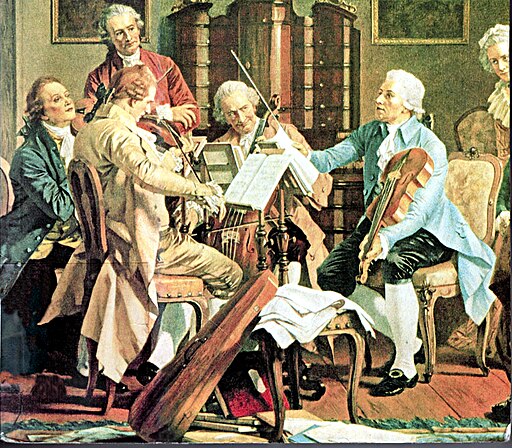
    Haydn PlayingHow to listen to Classical Music

    Pay Attention to Dynamics and Tempo

    Classical music is full of subtle changes in dynamics and tempo, which can add depth and meaning to the music. Dynamics refer to the loudness or softness of the music, while tempo refers to the speed. Paying attention to these changes can help you understand the emotions and moods conveyed by the music.

    Learn About the Composer and Historical Context

    Learning about the composer and historical context of a piece can help you appreciate it on a deeper level. Knowing about the life and experiences of the composer can provide insights into the meaning and intent of the music. Understanding the historical context can help you understand why certain pieces were written and what they were intended to convey.

    Attend Live Performances

    Attending live performances is a great way to experience classical music. Seeing the musicians perform can help you appreciate the skill and dedication required to play classical music. It can also provide a different perspective on the music and help you hear it in a new way.

    Keep an Open Mind

    Finally, it’s important to keep an open mind when listening to classical music. Not every piece will be to your taste, but by exploring different styles and composers, you might find new favorites that you never knew existed.

    In conclusion, classical music is a rich and complex genre that can be enjoyed by anyone with an open mind and a willingness to learn. By following these tips, you can start your journey into the world of classical music and discover its beauty and complexity.

  • The Role of a Music Composer in the Film Industry

    Music is an essential aspect of movies that enhances the overall experience for viewers. A well-composed score can create tension, establish a setting, evoke emotions, and contribute to the storytelling process. The person responsible for creating these sounds and emotions is the music composer.

    The role of a music composer in movies is to create a musical score that complements and enhances the narrative of the film. The composer works with the director to understand the movie’s overall tone, setting, and pacing to create a score that fits the movie’s mood. They also work with the film’s sound team to ensure the music and sound effects don’t clash or overpower each other.

    Some of the most iconic film scores in history have been created by legendary composers like John Williams, Hans Zimmer, and Ennio Morricone. Their work has helped to define the movies they scored and has become an integral part of popular culture.

    John Williams is one of the most recognizable and celebrated film composers of all time.

    He has scored some of the most iconic movies in history, including Star Wars, Jaws, E.T., and Jurassic Park. His scores are instantly recognizable and have helped to shape the movies he has worked on. Williams has won five Academy Awards and has been nominated for over 50 more.

    Hans Zimmer is another incredibly talented composer

    who has worked on some of the biggest movies in recent years.

    His credits include The Lion King, Gladiator, Inception, and The Dark Knight trilogy. Zimmer has won an Academy Award for his work on The Lion King and has been nominated for over 10 more.

    The Role of a Music Composer in the Film Industry
    Victor R. Ruiz from Arinaga, Canary Islands, Spain, CC BY 2.0
    https://creativecommons.org/licenses/by/2.0via Wikimedia Commons

    Ennio Morricone is a composer best known for his work on spaghetti Westerns in the 1960s.

    His score for The Good, The Bad, and The Ugly is one of the most recognizable film scores in history. Morricone has worked on over 500 films throughout his career and has won two Academy Awards, one for Lifetime Achievement and one for his score for The Hateful Eight.

    In addition to these legendary composers, there are many other talented individuals working in the film industry today. Some of the most promising young composers include Ludwig Göransson, who scored Black Panther and The Mandalorian, and Nicholas Britell, who composed the scores for Moonlight and If Beale Street Could Talk.

    The process of creating a film score is complex

    And requires a great deal of collaboration between the composer and the film’s director. The first step in creating a score is to watch the movie and discuss the director’s vision for the score. The composer must understand the movie’s tone, pacing, and overall mood to create a score that fits the movie.

    Once the composer has a clear idea of the movie’s overall tone, they will begin to create themes and motifs that will be used throughout the score. These themes will be based on the movie’s characters, locations, and overall story. The composer will then work with an orchestra or other musicians to record the score.

    The final step in creating a score is to mix the music with the movie’s sound effects.

    This process requires a great deal of skill and expertise to ensure that the music and sound effects work together seamlessly. Once the score is complete, it becomes an integral part of the movie and helps to tell the story in a powerful and emotional way.

    In conclusion, music is an essential aspect of movies that helps to enhance the overall experience for viewers. The role of a music composer in movies is to create a score that complements and enhances the narrative of the film. Legendary composers like John Williams, Hans Zimmer, and Ennio Morricone have created some of the most iconic film scores in history, but there are many other talented composers working in the film industry today.

  • Ludovico Einaudi: Sounds of Calm

    Ludovico Einaudi is an Italian composer and pianist known for his emotive and evocative style of music. His work has been described as minimalistic, meditative, and introspective, often incorporating elements of classical, electronic, and world music. One of Einaudi’s most popular albums is “Divenire,” which includes the track “Primavera,” used in the film “The Intouchables.” However, it’s his album “Elements” that features a collection of tracks that are often referred to as “Sounds of Calm.”

    Ludovico Einaudi: Sounds of CalmPawel Maryanov, CC BY 2.0 https://creativecommons.org/licenses/by/2.0via Wikimedia Commons

    Released in 2015, “Elements” is a tribute to the natural world

    exploring themes of water, air, earth, and fire. Each track is a reflection of the mood and feeling that the natural element evokes. From the soft, ethereal sounds of “Petricor,” to the lively, rhythmic beats of “Night,” Einaudi’s compositions on this album are designed to transport the listener to a place of calm and contemplation.

    The opening track, “Petricor,” sets the tone for the rest of the album with its gentle, cascading piano notes and atmospheric strings. The title of the track refers to the smell of rain on dry soil, and the music perfectly captures the essence of this natural phenomenon. It’s a piece that has been used in numerous commercials and movie soundtracks, as it creates a sense of tranquility and peacefulness.

    Another standout track is “Elements,” which features a haunting melody played on the piano and backed by a subtle electronic beat. The piece is a reflection of the four elements – earth, air, water, and fire – and how they interact with each other. The music captures the essence of each element, from the delicate, fluttering notes that represent air to the driving rhythms of fire.

    “Night,” another track on the album, is a more upbeat piece that features pulsating rhythms and a driving beat. It’s a departure from the more introspective pieces on the album, but still maintains the underlying theme of calm and serenity. The track conjures images of the night sky and the stars, and the music seems to mimic the movement of the constellations.

    The final track on the album, “Corale,” is a choral piece that features a haunting melody sung by a group of voices. The music creates a sense of spiritual reverence and awe, as if one is standing in a vast cathedral or temple. It’s a fitting end to an album that celebrates the beauty and majesty of the natural world.

    Einaudi’s music is often compared to that of other contemporary composers like Philip Glass and Michael Nyman.

    Like them, he favors simple melodies and repetitive patterns, but his music is also imbued with a sense of emotional depth and nuance. His use of electronics and world music influences adds another layer of complexity to his compositions.

    Einaudi’s music has been used in numerous films and television shows, including “The Intouchables,” “Black Swan,” and “This Is Us.” His compositions have also been featured in video games like “Assassin’s Creed” and “FIFA.” His music has a universal appeal that transcends language and culture, and his ability to create a sense of calm and serenity has made him a popular choice for meditation and relaxation music.

    In addition to his music, Einaudi is also known for his environmental activism. He has been a vocal advocate for protecting the planet and raising awareness about climate change. His music reflects his concern for the environment, and his album “Elements” is a tribute to the natural world and its power to inspire and heal.