Autor: mancergar@gmail.com

  • Artificial Intelligence Music Maker: Revolutionizing the Music Industry (ES)

    Music has always been an integral part of our lives. From traditional folk songs to modern-day pop music, it has evolved significantly over the years. With the advancements in technology, the way we create, produce and consume music has also changed. One of the latest technologies that have transformed the music industry is artificial intelligence (AI). Artificial Intelligence Music Maker has not only made the music-making process more accessible and efficient, but it has also led to the creation of entirely new genres of music.

    AI music makers are computer programs that use machine learning algorithms to create music autonomously.

    AI music makers are computer programs that use machine learning algorithms to create music

    These programs can analyze vast amounts of data, including existing music, and use that data to generate new music compositions. AI music makers are not meant to replace human musicians but rather to provide them with new tools and inspiration to create music.

    The concept of AI music has been around for decades, but it was not until recently that it gained mainstream attention. In 2016, a program called Amper Music was launched, which allowed users to create original music tracks using AI technology. Since then, several other AI music makers have emerged, including Jukedeck, AIVA, and Humtap.

    The process of creating music using AI is straightforward. First, the user selects the genre, mood, and tempo they want their music to be in. Then, the AI program uses a combination of algorithms and pre-existing music data to generate a unique composition. The user can then fine-tune the composition by adjusting various parameters such as melody, harmony, and instrumentation.

    AI music makers have several advantages over traditional music production methods.

    First, they are incredibly fast and efficient. A composer can create an entire piece of music in a matter of minutes, which would take a human musician hours or even days. Second, AI music makers can generate music in a variety of genres and styles, allowing composers to experiment with new sounds and create unique compositions. Finally, AI music makers can provide composers with new ideas and inspiration, leading to the creation of music that they may not have otherwise thought of.

    AI music makers are not without their limitations, however. One of the biggest limitations is the lack of emotional depth in the music they produce. While AI programs can generate music that is technically proficient, they lack the emotional nuances and nuances that human musicians can convey. Another limitation is that AI music makers can only generate music based on pre-existing data, which means that they are not truly creating something entirely new. However, these limitations are expected to be addressed as the technology continues to advance.

    Despite these limitations, Artificial Intelligence Music Maker have already had a significant impact on the music industry.

    They have made music production more accessible and democratized the process by allowing anyone to create professional-sounding music without any prior musical training. AI music makers have also led to the creation of entirely new genres of music, such as AI-generated classical music and AI-generated jazz.

    In addition to music creation, AI technology is also being used in other aspects of the music industry. For example, AI programs can analyze streaming data and recommend music to users based on their listening habits. They can also be used to enhance live performances by providing real-time feedback to performers and adjusting the lighting and sound effects to match the mood of the music.

    In conclusion,

    artificial intelligence music makers are revolutionizing the music industry by providing composers with new tools and inspiration to create music. While they are not without their limitations, they have already had a significant impact on music production and have led to the creation of entirely new genres of music. As the technology continues to advance, we can expect AI music makers to play an even more significant role in the music industry in the future.

  • The Evolution of Music Notation (ES)

    The history of music notation spans several centuries and has gone through numerous changes. The evolution of music notation has played a significant role in the way we compose, perform, and appreciate music today. In this article, we will explore the various stages of music notation and how it has developed over time.

    Neumes

    The earliest form of music notation was developed in the 9th century by monks in Europe. They used a system of symbols called neumes to indicate the direction of the melody. The neumes did not specify the exact pitch, but rather showed whether the melody was going up or down.

    Guido of Arezzo

    Guido of Arezzo was an Italian monk who lived in the 11th century. He is known for developing a system of music notation called the hexachord, which used letters to represent the pitches of the six-note scale. Guido also invented a method for teaching sight-singing using a mnemonic device called the Guidonian Hand.

    Staff Notation

    The staff notation we use today was developed in the 13th century. It consists of five lines and four spaces on which notes are placed to indicate the pitch and duration of the sound. The staff notation made it easier to write down complex polyphonic music, which was becoming popular during this time.

    Renaissance Notation

    During the Renaissance period, from the 14th to the 17th century, music notation became more sophisticated. Composers began to use more complex rhythmic patterns and experimented with harmony. This led to the development of new symbols to represent these musical ideas.

    Baroque Notation

    Baroque Notation
    George Grove, Public domain,
    via Wikimedia Commons

    The Baroque period, from the 17th to the early 18th century, was characterized by highly ornamented music. Composers used new symbols to represent trills, mordents, and other ornamentations. They also began to use dynamic markings, such as crescendo and decrescendo, to indicate changes in volume.

    Classical Notation

    During the Classical period, from the mid-18th to the early 19th century, music notation became simpler and more standardized. Composers used fewer ornamentations and relied more on the melody and harmony to create interest in their music. The use of dynamic markings became more precise, and composers began to use repeat signs to indicate sections of music that should be played again.

    Romantic Notation

    The Romantic period, from the early 19th to the early 20th century, saw a resurgence of interest in more complex music. Composers began to experiment with new tonalities, chromaticism, and other advanced musical techniques. This led to the development of new symbols to represent these musical ideas, including tremolos, glissandos, and other effects.

    Modern Notation

    In the early 20th century, composers began to experiment with new forms of music notation. Some composers, such as Arnold Schoenberg, developed new systems of notation to represent their atonal music. Others, such as John Cage, used graphic notation to represent musical ideas in a more abstract way.

    In conclusion, the evolution of music notation has been a long and complex process. From the early neumes used by monks to the modern graphic notation used by contemporary composers, music notation has played an essential role in the development of music. By studying the history of music notation, we can gain a better understanding of the way music has evolved and the way we can continue to push the boundaries of what is possible in music composition and performance.

  • Meditation Music for Reducing Stress and Anxiety (ES)

    Music and the brain..

    Meditation music is a type of music that is specifically designed to aid in the process of meditation. It is often characterized by its calming and soothing qualities, and can be instrumental or include soft vocals.

    Meditation music can be used to create a relaxing atmosphere

    Meditation music can be used to create a relaxing atmosphere during meditation, which can help the mind and body to relax and focus. This type of music is often used in yoga classes, meditation sessions, and for relaxation purposes in spas and wellness centers.

    Meditation is a practice that involves training the mind to achieve a state of calm and relaxation. While meditation can be practiced in a variety of environments, creating a relaxing atmosphere can help enhance the meditation experience. Here are some tips for creating a calming environment for your meditation practice.

    Choose a quiet and comfortable location:

    Find a peaceful and quiet spot where you can meditate without any interruptions. The space should be clean and free of clutter. You can use a cushion or a chair to sit on, whichever is most comfortable for you.

    Soft, warm lighting can help to create a relaxing atmosphere. Dim the lights or use candles to create a soothing and calming effect. If you prefer, you can use natural light, such as from a window, to create a serene atmosphere.

    Play calming music

    Soft and calming music can help to create a relaxing atmosphere during meditation. You can use nature sounds, such as rain, ocean waves, or birdsong, or instrumental music, such as flute or piano music. You can also try binaural beats or white noise for a more immersive experience. Music and Brain

    Use aromatherapy

    Essential oils, such as lavender, chamomile, or frankincense, can help to promote relaxation and calmness. You can use a diffuser to disperse the essential oils into the air or apply the oils directly to your skin.

    Adding natural elements

    such as plants, flowers, or a water fountain, can help to create a peaceful atmosphere. Plants can help to purify the air, while the sound of water can create a relaxing ambience.

    Incorporate natural elements

    Wear comfortable clothing: Loose and comfortable clothing can help you to relax during meditation. Choose clothes that do not restrict your movement or breathing. You can also wrap yourself in a soft blanket for added comfort.

    Practice regularly:

    Creating a consistent meditation practice can help to deepen your relaxation and create a sense of routine. Try to meditate at the same time and in the same location every day.

    Dim the lights

    By creating a relaxing atmosphere, you can enhance your meditation practice and achieve a deeper sense of calmness and relaxation. Experiment with different techniques and find what works best for you. With practice, you can create a peaceful and serene environment that helps to nourish your mind, body, and spirit.

    One of the benefits of using meditation music is that it can help to reduce stress and anxiety. The calming qualities of the music can help to slow down the heart rate and breathing, which can create a sense of relaxation in the body. In addition, listening to meditation music can help to improve the quality of sleep, reduce symptoms of depression, and improve overall well-being.

    Meditation is a powerful tool for reducing stress and anxiety

    Meditation is a powerful tool for reducing stress and anxiety, and incorporating music into your meditation practice can enhance its effectiveness. Music has a unique ability to soothe the mind, calm the body, and create a relaxing atmosphere that is conducive to meditation.

    When it comes to choosing meditation music for reducing stress and anxiety, it is important to select music that is calming, soothing, and has a slow tempo. Here are some types of meditation music that you can try:

    Nature Sounds

    The sounds of nature, such as ocean waves, rain, and birdsong, have a calming effect on the mind and can help to reduce stress and anxiety. There are many recordings available that feature natural sounds, or you can simply go outside and listen to the sounds of nature.

    Instrumental Music and the brain

    Soft instrumental music, such as piano, guitar, or flute, can create a peaceful and calming atmosphere that is perfect for meditation. Look for music that has a slow tempo and minimal distractions, such as vocals or percussion.

    Binaural Beats

    Binaural beats are a type of sound therapy that uses two different frequencies played at the same time to create a third frequency that is believed to have a calming effect on the brain. There are many recordings available that feature binaural beats, which can help to reduce stress and anxiety and promote relaxation.

    Guided Meditations

    Guided meditations can be a helpful tool for reducing stress and anxiety, as they provide a structured meditation practice that can help you to stay focused and calm. Many guided meditations incorporate music as well, which can enhance their effectiveness.

    Mantras

    Mantras are repetitive sounds or phrases that are chanted or sung during meditation. They can help to quiet the mind and promote a sense of peace and calm. Look for recordings of mantra music, or create your own mantra to chant during your meditation practice.

    When using meditation music to reduce stress and anxiety, it is important to find a quiet and peaceful environment where you can fully relax and focus on your practice. Experiment with different types of music to find what works best for you, and remember that the most important thing is to create a regular meditation practice that you can stick to over time. With the right music and a consistent practice, you can reduce stress and anxiety and cultivate a sense of peace and calm in your life.

    Meditation music can be found in a variety of genres

    Meditation music can be found in a variety of genres, including classical, ambient, and new age. Many artists create albums specifically designed for meditation, incorporating sounds from nature, such as rain, birdsong, and ocean waves, as well as instrumental tracks featuring instruments like the flute, piano, and guitar.

    Some of the most popular meditation music artists include Deva Premal, Snatam Kaur, and Steven Halpern. Their albums often incorporate mantras and chants from ancient traditions, such as the Hindu, Buddhist, and Sikh traditions.

    Overall, meditation music can be a helpful tool for those looking to improve their meditation practice or simply looking to create a calming atmosphere in their daily life. Whether you prefer instrumental tracks or vocals, there is a wide range of meditation music available to suit your preferences and needs.

    Create a relaxing atmosphere. Music and the BrainThomas Nordwest, CC BY-SA 4.0, via Wikimedia Commons

  • A Guide to Understanding Classical Music (ES)

    Musical Forms: A Guide to Understanding Classical Music

    Classical music has a rich history spanning several centuries, with many different styles and forms emerging over time. Understanding the various musical forms used in classical music can be challenging, but it can also enhance your appreciation and enjoyment of the music. In this article, we will provide an overview of some of the most common musical forms used in classical music.

    Sonata Form

    Sonata form is a musical form that originated in the classical period and was commonly used in sonatas, symphonies, and chamber music. It consists of three main sections: the exposition, development, and recapitulation. The exposition presents the main themes of the piece, the development section explores and develops these themes, and the recapitulation restates the themes in their original form.

    Minuet and Trio

    The minuet and trio is a musical form that was popular in the classical period and is typically used as the third movement in a four-movement symphony. The minuet is a stately dance in triple meter, while the trio section provides a contrast to the minuet by featuring a different melody or rhythm.

    Rondo Form

    Rondo form is a musical form that features a recurring theme, called the “refrain,” interspersed with contrasting sections. It is commonly used in the final movements of sonatas, symphonies, and concertos.

    Theme and Variations

    Theme and variations is a musical form that involves taking a simple melody or theme and varying it in different ways throughout the piece. Each variation presents a new take on the theme, often through changes in rhythm, harmony, or melody.

    Fugue

    A fugue is a complex and intricate musical form that involves a main theme, called the “subject,” that is introduced in one voice and then imitated by other voices in turn. The subject is then developed and transformed throughout the piece, creating a rich and intricate musical tapestry.

    Chorale

    A chorale is a hymn-like musical form that was popular in the Baroque period. It typically consists of a simple melody sung in unison, with a harmonized accompaniment provided by instruments or other voices.

    Opera

    Opera is a musical form that combines music, drama, and visual elements to tell a story. It originated in the Baroque period and has continued to evolve over time, with many different styles and sub-genres emerging.

    Concerto

    A concerto is a musical form that features a solo instrument or group of instruments accompanied by an orchestra. It typically consists of three movements, with the first movement in a fast tempo, the second movement in a slow tempo, and the third movement in a fast tempo.

    Symphony

    A symphony is a musical form that typically consists of four movements and is scored for a large orchestra. It originated in the classical period and has continued to be a popular form in classical music.

    CBSO Symphony HallCreative Commons Attribution-Share Alike 2.0

    Conclusion

    Understanding the various musical forms used in classical music can enhance your appreciation and enjoyment of the music. Each form has its own unique characteristics and history, and by familiarizing yourself with them, you can gain a deeper understanding of the music and the composers who created it. Whether you are a casual listener or a serious student of classical music, exploring the different forms can enrich your musical experience.

  • How to Listen to Classical Music (ES)

    Classical music is a vast and complex genre that has been around for centuries. It can be intimidating for beginners to know where to start and how to appreciate it. In this article, we will provide a beginner’s guide on how to listen to classical music.

    Start with the Basics

    The first step to listening to classical music is to start with the basics. Begin with the most famous and well-known pieces, such as Beethoven’s Symphony No. 5, Mozart’s Symphony No. 40, or Bach’s Brandenburg Concertos. As you become more familiar with these pieces, you can start exploring more obscure works.

    Understand the Structure of Classical Music

    Classical music is typically structured into movements, which are individual sections of a larger work. Each movement has its own character and theme, and they are usually connected by transitions or pauses. Understanding the structure of a piece can help you appreciate the different sections and how they fit together.

    Listen to the Instruments

    One of the joys of classical music is the variety of instruments used in each piece. Listening to the individual instruments can help you appreciate the complexity of the music. For example, you might focus on the different sections of an orchestra, such as the brass, strings, and percussion. You might also listen for the unique sounds of each instrument, such as the delicate sound of a flute or the powerful resonance of a piano.

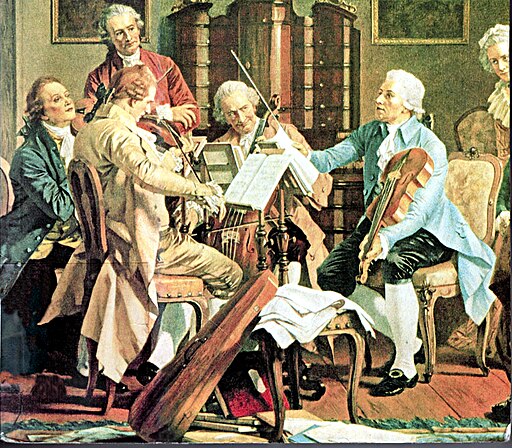
    Haydn PlayingHow to listen to Classical Music

    Pay Attention to Dynamics and Tempo

    Classical music is full of subtle changes in dynamics and tempo, which can add depth and meaning to the music. Dynamics refer to the loudness or softness of the music, while tempo refers to the speed. Paying attention to these changes can help you understand the emotions and moods conveyed by the music.

    Learn About the Composer and Historical Context

    Learning about the composer and historical context of a piece can help you appreciate it on a deeper level. Knowing about the life and experiences of the composer can provide insights into the meaning and intent of the music. Understanding the historical context can help you understand why certain pieces were written and what they were intended to convey.

    Attend Live Performances

    Attending live performances is a great way to experience classical music. Seeing the musicians perform can help you appreciate the skill and dedication required to play classical music. It can also provide a different perspective on the music and help you hear it in a new way.

    Keep an Open Mind

    Finally, it’s important to keep an open mind when listening to classical music. Not every piece will be to your taste, but by exploring different styles and composers, you might find new favorites that you never knew existed.

    In conclusion, classical music is a rich and complex genre that can be enjoyed by anyone with an open mind and a willingness to learn. By following these tips, you can start your journey into the world of classical music and discover its beauty and complexity.

  • Exploring the Rich Harmonies of Counterpoint in Music (ES)

    Counterpoint in music is a technique that has been used for centuries to create rich and complex harmonies by combining multiple independent melodic lines. It is a fundamental aspect of Western classical music and is also found in many other genres such as jazz and rock.

    At its core, counterpoint is the art of combining two or more melodies in a way that creates a cohesive whole. In traditional counterpoint, each melodic line is treated as equal and given its own distinct identity. This means that each line can stand on its own and be heard as a separate entity, but when combined with the other lines, it creates a harmonious whole.

    One of the key principles of counterpoint is that each melodic line should be rhythmically independent of the others.

    Key principles of counterpointMozartito, CC BY-SA 3.0 https://creativecommons.org/licenses/by-sa/3.0via Wikimedia Commons

    This means that each line should have its own unique rhythm and not simply follow the rhythm of the other lines. Additionally, the melodic lines should be harmonically independent as well, meaning that they should not simply move together in parallel intervals.

    Counterpoint can be classified into different types based on the number of independent melodic lines used. The most common type is two-part counterpoint, which involves the combination of two independent melodic lines. Three-part counterpoint and four-part counterpoint are also common.

    In addition to the number of melodic lines, counterpoint can also be classified based on the intervallic relationships between the lines. The most common type is strict counterpoint, which requires that the melodic lines move only in certain intervals, such as perfect fifths and octaves. Free counterpoint, on the other hand, allows for more flexibility in the intervallic relationships between the lines.

    Counterpoint has been used in a wide variety of musical contexts throughout history.

    In Western classical music, it has been a key component of many forms, including fugues, canons, and chorales. It has also been used extensively in Renaissance polyphony and Baroque music.

    In film scoring, counterpoint can be used to create a rich and complex sonic landscape. By combining multiple independent melodic lines, a composer can create a sense of depth and complexity that can help to underscore the emotional content of a scene.

    One of the most famous examples of counterpoint in film scoring is the opening scene of the movie “Vertigo”

    which features a hypnotic spiraling melody that is created through the combination of multiple independent lines. The effect is both mesmerizing and disorienting, and it perfectly captures the sense of vertigo that the film is trying to convey.

    Another example of counterpoint in film scoring can be found in the music of composer John Williams, particularly in his work on the “Star Wars” movies. Williams is known for his use of complex harmonies and multiple melodic lines to create a sense of epic grandeur and emotional depth.

    In conclusion, counterpoint is a fundamental aspect of music theory that has been used for centuries to create rich and complex harmonies. Whether in Western classical music, jazz, or film scoring, the technique of combining multiple independent melodic lines can create a sense of depth and complexity that is both mesmerizing and emotionally powerful. By understanding the principles of counterpoint, composers can create music that is both intellectually engaging and emotionally resonant.

  • Unlocking the Art of Musical Composition (ES)

    Musical composition is the art of creating original music. It is the process of putting together melodies, harmonies, rhythms, and other musical elements to create a piece of music. Musical composition can be an exciting and rewarding experience, but it can also be challenging and complex. In this article, we will explore the world of musical composition and take a closer look at the various elements and techniques involved.

    Elements of Musical Composition

    There are several key elements that make up a piece of music. These elements include melody, harmony, rhythm, and form.

    Musical Composition Elements.

    Melody is the main musical theme of a composition. It is the part of the music that we hum or sing along with. Melodies can be simple or complex, and they can be memorable or subtle.

    Harmony is the combination of two or more notes played at the same time. It adds depth and richness to a composition and can create a variety of moods and emotions.

    Rhythm is the pattern of beats and accents in a piece of music. It creates the sense of movement and pulse that we feel when we listen to music. Rhythms can be simple or complex, and they can be used to create tension and release.

    Form is the structure of a piece of music. It refers to the way the music is organized and the different sections it contains. Musical forms can be simple or complex and can vary widely from one composition to another.

    Techniques of Musical Composition

    In addition to these elements, there are also several techniques that composers use to create their music. These techniques include:

    1. Counterpoint: This technique involves the combination of two or more melodies that are played at the same time. Each melody retains its own individuality while also blending together to create a harmonious whole.

    2. Harmony and Chord Progression: Composers use chord progressions to create a sense of tension and release in their music. This technique involves the use of different chords to create different moods and emotions.

    3. Motifs: Motifs are small musical ideas or themes that are repeated throughout a composition. They can be used to create unity and cohesion in a piece of music.

    4. Orchestration: Orchestration involves the arrangement of different instruments to create a specific sound or mood. Composers can use orchestration to create a wide range of textures and colors in their music.

    5. Text Setting: Text setting is the process of matching the music to the lyrics of a song. Composers can use different musical techniques to highlight certain words or phrases in the lyrics.

    Challenges of Musical Composition

    While musical composition can be a rewarding experience, it can also be challenging. One of the biggest challenges is finding inspiration and developing original ideas. Many composers struggle to come up with new and unique musical ideas that stand out from the crowd.

    Another challenge is the technical aspect of composition. Composers need to have a good understanding of music theory, notation, and orchestration to create high-quality compositions.

    Finally, there is also the challenge of collaboration. Many composers work with other musicians, producers, and engineers to create their music. This requires good communication skills and the ability to compromise and work well with others.

    Conclusion

    Musical composition is the art of creating original music. It involves the combination of different elements such as melody, harmony, rhythm, and form, as well as various techniques like counterpoint, harmony and chord progression, motifs, orchestration, and text setting. While it can be a challenging process, it can also be a rewarding experience. With dedication, practice, and a passion for music, anyone can become a successful composer.

  • Ludovico Einaudi: Sounds of Calm (ES)

    Ludovico Einaudi is an Italian composer and pianist known for his emotive and evocative style of music. His work has been described as minimalistic, meditative, and introspective, often incorporating elements of classical, electronic, and world music. One of Einaudi’s most popular albums is “Divenire,” which includes the track “Primavera,” used in the film “The Intouchables.” However, it’s his album “Elements” that features a collection of tracks that are often referred to as “Sounds of Calm.”

    Ludovico Einaudi: Sounds of CalmPawel Maryanov, CC BY 2.0 https://creativecommons.org/licenses/by/2.0via Wikimedia Commons

    Released in 2015, “Elements” is a tribute to the natural world

    exploring themes of water, air, earth, and fire. Each track is a reflection of the mood and feeling that the natural element evokes. From the soft, ethereal sounds of “Petricor,” to the lively, rhythmic beats of “Night,” Einaudi’s compositions on this album are designed to transport the listener to a place of calm and contemplation.

    The opening track, “Petricor,” sets the tone for the rest of the album with its gentle, cascading piano notes and atmospheric strings. The title of the track refers to the smell of rain on dry soil, and the music perfectly captures the essence of this natural phenomenon. It’s a piece that has been used in numerous commercials and movie soundtracks, as it creates a sense of tranquility and peacefulness.

    Another standout track is “Elements,” which features a haunting melody played on the piano and backed by a subtle electronic beat. The piece is a reflection of the four elements – earth, air, water, and fire – and how they interact with each other. The music captures the essence of each element, from the delicate, fluttering notes that represent air to the driving rhythms of fire.

    “Night,” another track on the album, is a more upbeat piece that features pulsating rhythms and a driving beat. It’s a departure from the more introspective pieces on the album, but still maintains the underlying theme of calm and serenity. The track conjures images of the night sky and the stars, and the music seems to mimic the movement of the constellations.

    The final track on the album, “Corale,” is a choral piece that features a haunting melody sung by a group of voices. The music creates a sense of spiritual reverence and awe, as if one is standing in a vast cathedral or temple. It’s a fitting end to an album that celebrates the beauty and majesty of the natural world.

    Einaudi’s music is often compared to that of other contemporary composers like Philip Glass and Michael Nyman.

    Like them, he favors simple melodies and repetitive patterns, but his music is also imbued with a sense of emotional depth and nuance. His use of electronics and world music influences adds another layer of complexity to his compositions.

    Einaudi’s music has been used in numerous films and television shows, including “The Intouchables,” “Black Swan,” and “This Is Us.” His compositions have also been featured in video games like “Assassin’s Creed” and “FIFA.” His music has a universal appeal that transcends language and culture, and his ability to create a sense of calm and serenity has made him a popular choice for meditation and relaxation music.

    In addition to his music, Einaudi is also known for his environmental activism. He has been a vocal advocate for protecting the planet and raising awareness about climate change. His music reflects his concern for the environment, and his album “Elements” is a tribute to the natural world and its power to inspire and heal.

  • The Magic of Music: How Harry Potter Composer John Williams Brought the Wizarding World to Life (ES)

    Discover the magic behind the music of Harry Potter with this in-depth look at composer John Williams. Learn how his iconic score brought the wizarding world to life.

    Music plays a crucial role in the world of film and television. It can set the mood, create tension, and evoke emotions in the viewer. Few composers have mastered this art as brilliantly as John Williams, the man behind the iconic scores of movies like Star Wars, Indiana Jones, and Jurassic Park. But perhaps his most famous and beloved work is the music he created for the Harry Potter film series. In this article, we will explore the importance of music in film, the legacy of John Williams, and how his magical score brought the world of Harry Potter to life.

    The music of Harry Potter is just as iconic as the beloved characters and magical world created by J.K. Rowling. But who is the mastermind behind the enchanting score? Meet John Williams, the composer who brought the wizarding world to life with his unforgettable music. Learn about his creative process and the impact his music has had on the Harry Potter franchise.

    The Importance of Music in Film.

    Music is an essential component of any film, helping to set the tone, create emotion, and enhance the overall viewing experience. It can be used to foreshadow events, highlight character traits, and even become a character in its own right. Without music, many of our favorite films would lose their impact and emotional resonance. John Williams is a master at using music to enhance the storytelling in film, and his work on the Harry Potter franchise is a prime example of this.

    Music has the power to elevate a film to new heights, adding a layer of emotion and depth to the visuals on the screen. It can set the tone for a scene, create suspense, or evoke a specific feeling in the viewer. The right music can make a good movie great and a great movie unforgettable.

    John Williams: A Musical Legend.

    John Williams is a legendary composer who has created some of the most iconic film scores in history. From Star Wars to Indiana Jones to Harry Potter, his music has become synonymous with the films themselves. Williams has won five Academy Awards, four Golden Globe Awards, and 25 Grammy Awards, making him one of the most decorated composers of all time. His ability to capture the essence of a film through music is unparalleled, and his work on the Harry Potter franchise is a testament to his talent.

    John Williams is one of the most celebrated and accomplished composers in the world of film and television. Over the course of his career, he has created some of the most recognizable and beloved scores in cinematic history. From the triumphant brass fanfare of Star Wars to the iconic theme of Jaws, his music has become synonymous with the movies themselves.

    John Williams is one of the most celebrated and accomplished composers in the world of film and television. Over the course of his career, he has created some of the most recognizable and beloved scores in cinematic history. From the triumphant brass fanfare of Star Wars to the iconic theme of Jaws, his music has become synonymous with the movies themselves.

    Williams has won numerous awards and accolades for his work, including five Academy Awards, four Golden Globes, and twenty-five Grammy Awards. He is widely considered one of the greatest composers of all time, and his influence on the world of music is immeasurable.

    The Creation of the Harry Potter Score.

    John Williams was brought on to compose the score for the first Harry Potter film, Harry Potter and the Philosopher’s Stone. He worked closely with director Chris Columbus to create a score that captured the magic and wonder of the wizarding world. Williams incorporated a variety of instruments, including a children’s choir, to create a sense of whimsy and playfulness. The iconic “Hedwig’s Theme” became the signature piece of the Harry Potter franchise and is instantly recognizable to fans around the world. Williams continued to compose for the first three films before passing the baton to composer Patrick Doyle for Harry Potter and the Goblet of Fire.

    The Making of the Harry Potter Soundtrack. John Williams and Harry PotterImagen de la última película de la saga ‘Harry Potter’ / CREATIVE COMMONS

    When it came time to create the score for the Harry Potter film series, Warner Bros. turned to John Williams. Williams was no stranger to the world of fantasy, having previously worked on films like E.T. the Extra-Terrestrial and Hook. He was the perfect choice to bring the magical world of Hogwarts to life.

    Williams approached the Harry Potter score with the same meticulous attention to detail that he applied to all of his work. For instance, he spent months working closely with director Chris Columbus and author J.K. Rowling to ensure that the music captured the spirit and magic of the books.

    Iconic Themes and Musical Motifs.

    John Williams is known for his ability to create memorable themes and motifs that stick with audiences long after the film has ended. In the case of Harry Potter, Williams created several iconic themes that have become synonymous with the franchise. “Hedwig’s Theme” is perhaps the most recognizable, but Williams also created themes for characters like Harry, Voldemort, and Dumbledore. He also incorporated musical motifs throughout the score, such as the use of a celesta to represent magic. These themes and motifs helped to create a cohesive and immersive musical experience for viewers of the Harry Potter films.

    The Legacy of John Williams and the Harry Potter Soundtrack.

    The Legacy and Enduring Influence of John Williams’ Music in the Harry Potter UniverseBy Chris Devers – https://commons.wikimedia.org/w/index.php?curid=19979930

    John Williams’ impact on the Harry Potter franchise cannot be overstated. His iconic score helped to bring the wizarding world to life and added an extra layer of magic to the films. Even after Williams’ departure from the franchise, his themes and motifs have continued to be used and adapted by other composers. The Harry Potter soundtrack remains a beloved and integral part of the franchise, and John Williams’ contributions will always be remembered.

    The Harry Potter film series may have come to an end, but the music lives on. John Williams’ iconic score has become an integral part of the Harry Potter universe, inspiring countless fans and musicians around the world.

    The impact of Williams’ work on the world of film and television cannot be overstated. His music has become an essential part of popular culture, and his influence can be heard in countless scores that have followed in his footsteps.

    Conclusion

    The world of Harry Potter is one of magic and wonder, and John Williams’ score helped bring that world to life on the big screen. His music captured the spirit and heart of the books, and has become an essential part of the Harry Potter experience.

  • Discovering Impressionism Music: The Beauty of Soundscapes (ES)

    If you’re a fan of art, you’re likely familiar with the Impressionist movement in painting. But have you ever heard of Impressionist music? Just like its visual counterpart, Impressionist music aims to capture the fleeting sensations and emotions of a moment, but through soundscapes. It’s a genre that flourished in the late 19th and early 20th centuries, with its roots in the Romantic era. Impressionist composers sought to evoke a mood or atmosphere through intricate harmonies, innovative orchestrations, and unconventional rhythms. The result of Impressionism Music is a style of music that transports listeners to a world of vivid colors, delicate textures, and dreamlike sensations. In this article, we’ll explore the beauty of Impressionist music and introduce you to some of its most notable composers and works. So, sit back, relax, and let the magic of Impressionist music take you on a journey like no other.

    The Origins of Impressionism Music

    Impressionism music emerged in France during the late 19th century as a reaction to the rigid structures of classical music. The impressionist composers aimed to break free from traditional forms and create a new style that reflected the changing times. They were inspired by the works of painters such as Claude Monet, Pierre-Auguste Renoir, and Edgar Degas, who sought to capture the fleeting sensations of light and color in their art.

    The term “Impressionism” was first used in music in 1877 when critic Louis Leroy used it to describe a piece by the composer Claude Debussy. Debussy is considered one of the founding fathers of Impressionist music, along with Maurice Ravel, Erik Satie, and Gabriel Faure. These composers were united in their desire to create music that was more about mood and atmosphere than formal structure.

    Impressionist music was also influenced by the cultural and social changes taking place in France at the time. The rise of the middle class and the growth of urbanization led to a new appreciation of leisure and pleasure. Impressionist music reflected this new sensibility by creating music that was more sensual and emotional than intellectual.

    Characteristics of Impressionism Music

    Impressionist music is characterized by its use of dissonance, unconventional harmonies, and exotic scales. The composers sought to create a dreamy, impressionistic atmosphere by using a variety of techniques, including the use of pedal points, unresolved chords, and unresolved melodic lines.

    Another key characteristic of Impressionist music is its use of orchestration. The composers experimented with different combinations of instruments to create new textures and colors. They also used unconventional techniques, such as playing harmonics on the strings or using the mutes on the brass instruments, to create new sounds.

    Impressionist music is also known for its use of rhythm. The composers broke free from the strict rhythms of classical music and instead used irregular rhythms, syncopation, and rubato. This gave the music a more natural, flowing feel.

    Famous Impressionist Composers

    As mentioned earlier, Claude Debussy is considered one of the founding fathers of Impressionist music. His works, such as “Clair de Lune” and “La Mer,” are some of the most recognizable pieces of Impressionist music. Debussy was known for his innovative use of harmony and texture, and his ability to create evocative soundscapes.

    Another notable Impressionist composer is Maurice Ravel. His works, such as “Bolero” and “Daphnis et Chloe,” are known for their lush orchestration and exotic harmonies. Ravel was also influenced by jazz music, which he incorporated into his compositions.

    Erik Satie was another important Impressionist composer. His works, such as “Gymnopedies” and “Gnossiennes,” are known for their simplicity and understated beauty. Satie’s music was a reaction to the excesses of the Romantic era and sought to create a more pure, stripped-down sound.

    Gabriel Faure was a composer who straddled the line between Romanticism and Impressionism. His works, such as “Pavane” and “Requiem,” are known for their lush harmonies and soaring melodies. Faure’s music is often described as having a melancholic beauty.

    Examples of Impressionism Music

    Examples of Impressionism Music. Debussy.

    One of the most famous pieces of Impressionist music is Debussy’s “Clair de Lune.” The piece is known for its delicate, shimmering textures and its use of unresolved chords. The music creates a dreamy, moonlit atmosphere that transports the listener to another world.

    Another famous piece of Impressionist music is Ravel’s “Bolero.” The piece is known for its repetitive, driving rhythm and its use of exotic scales and harmonies. The music builds in intensity until it reaches a climactic finale.

    Satie’s “Gymnopedies” is a beautiful example of Impressionist music. The pieces are simple, understated, and hauntingly beautiful. The music creates a sense of calm and serenity, transporting the listener to a peaceful, meditative state.

    The Role of Soundscapes in Impressionism Music

    One of the key features of Impressionist music is its ability to create rich, evocative soundscapes. The composers sought to capture the essence of a moment or a place through sound, creating music that was more about atmosphere than melody.

    To create these soundscapes, the composers used a variety of techniques, including the use of unconventional harmonies, exotic scales, and unusual orchestration. They also used a variety of sounds, such as bird calls, waves crashing, and wind blowing, to create a sense of place and atmosphere.

    Impressionist music is often compared to the visual arts, particularly painting. Just as a painter might use color and light to create a mood or atmosphere, an Impressionist composer uses sound to create a rich, immersive experience.

    Modern Interpretations

    While Impressionist music was most popular in the late 19th and early 20th centuries, its influence can still be heard today. Many contemporary composers draw on the techniques and ideas of the Impressionist composers, creating music that is both innovative and timeless.

    Some modern composers, such as Max Richter and Ludovico Einaudi, use the techniques of Impressionism to create beautiful, atmospheric music. Their works are characterized by their use of unconventional harmonies, rich textures, and evocative soundscapes.

    Others, such as Philip Glass and Steve Reich, draw on the rhythm and repetition of Impressionist music to create hypnotic, minimalist compositions. Their works are characterized by their use of simple, repetitive patterns that build in intensity over time.

    How to Listen to Impressionism Music

    One of the great things about Impressionist music is that it can be enjoyed on many levels. You can simply sit back and let the music wash over you, enjoying the rich textures and evocative soundscapes. Or, you can listen more closely, paying attention to the intricate harmonies, unconventional rhythms, and unusual orchestration.

    When listening to Impressionist music, it’s important to let go of any preconceived ideas about structure or melody. Instead, allow yourself to be swept away by the atmosphere and mood of the music. Listen for the subtle nuances and textures, and allow yourself to be transported to another world.

    Benefits of Listening to Impressionist Music

    Listening to Impressionist music can have a variety of benefits, both physical and emotional. The music’s dreamy, atmospheric quality can help to reduce stress and promote relaxation. It can also improve focus and concentration, making it a great choice for studying or working.

    In addition, Impressionist music can be a great source of inspiration for artists and writers. The music’s evocative soundscapes can help to stimulate the imagination and spark creativity.

    Conclusion

    Impressionist music is a beautiful and innovative genre that captures the essence of a moment or a place through soundscapes. Its use of unconventional harmonies, exotic scales, and unusual orchestration creates a dreamy, impressionistic atmosphere that transports listeners to another world. Whether you’re a fan of classical music or simply looking for a new musical experience, Impressionist music is definitely worth exploring. So, sit back, relax, and let the beauty of Impressionist music take you on a journey like no other.