Categoría: Uncategorized

  • Unleashing the Power of AI: The Rise of Digital Singing Performances

    Artificial Intelligence

    The world of music is ever-evolving, and with the advent of technology, it has taken a whole new turn. Artificial Intelligence (AI) has revolutionized the music industry, and digital singing performances are taking center stage. With AI-powered software, musicians and performers can now create digital avatars that can sing, dance, and perform just like real humans. These performances are not only visually stunning but also have the potential to revolutionize the way we experience music. From virtual concerts to holographic shows, the possibilities are endless. The rise of digital singing performances is not just a trend, but a glimpse into the future of the music industry. In this article, we will explore the power of AI in creating these digital performances and the impact they are already having on the music world. So, sit back and get ready to be amazed by the future of music.

    What are digital singing performances?

    Digital singing performances are musical performances that are created using AI-powered software. These performances involve digital avatars that can sing, dance, and perform just like real humans. The avatars are created using motion capture technology, which captures the movements of a human performer and transfers them to the digital avatar. The avatar is then programmed to move and perform the same way as the human performer. The result is a digital performance that is visually stunning and can be customized in any way the performer desires.

    Digital singing performances are not limited to just music. They can also be used in theater, film, and television. In fact, the first digital singing performance was created for the film industry. In 2004, the film “Sky Captain and the World of Tomorrow” featured a digital performance of actress Gwyneth Paltrow singing the song “Anyone Who Had a Heart.” The performance was created using motion capture technology and was a groundbreaking achievement in the film industry.

    Benefits of using AI in music

    The use of AI in music has many benefits. One of the most significant benefits is that it allows musicians and performers to create digital performances that are visually stunning and can be customized in any way they desire. This means that they can create performances that would be impossible for a human performer to achieve. For example, they can create performances where the performer is floating in the air, or where the performer is in multiple places at once.

    Another benefit of using AI in music is that it enhances the creative process. With the help of AI, musicians and performers can experiment with different sounds, rhythms, and melodies in a way that would be impossible for a human to do. This means that they can create music that is more complex and innovative than what would be possible with traditional music production techniques.

    Examples of successful digital singing performances

    One of the most successful digital singing performances to date was the virtual concert of Japanese virtual pop star, Hatsune Miku. The concert took place in 2010 and was a huge success. Hatsune Miku is a digital avatar created by Crypton Future Media using Yamaha’s Vocaloid software. The software allows users to create digital avatars that can sing in Japanese and English.

    The virtual concert of Hatsune Miku was a groundbreaking achievement in the music industry. The concert was sold out, and over 25,000 people attended. The concert was also streamed live on the internet, and over 150,000 people watched the performance online. Hatsune Miku has since become a cultural phenomenon in Japan and has performed at numerous concerts and events around the world.

    How AI enhances the creative process in music

    AI enhances the creative process in music by providing musicians and performers with new tools and techniques for creating music. AI-powered software can analyze existing music and generate new music based on the patterns and structures found in the music. This means that musicians and performers can use AI to create music that is more complex and innovative than what would be possible with traditional music production techniques.

    AI can also help musicians and performers to collaborate more effectively. With the help of AI, musicians and performers can share their ideas and collaborate on music production in real-time. This means that they can create music that is more cohesive and coherent than what would be possible with traditional music production techniques.

    AI-generated music vs. human-generated music

    AI-generated music is music that is created using AI-powered software. Human-generated music is music that is created by human musicians and performers. There are many differences between AI-generated music and human-generated music.

    One of the main differences is that AI-generated music is more precise and consistent than human-generated music. AI-powered software can analyze existing music and generate new music based on the patterns and structures found in the music. This means that AI-generated music is more likely to be free of errors and inconsistencies than human-generated music.

    Another difference is that AI-generated music is more innovative than human-generated music. AI-powered software can analyze existing music and generate new music based on the patterns and structures found in the music. This means that AI-generated music is more likely to be complex and innovative than human-generated music.

    The future of AI in music

    The future of AI in music
    Benlisquare, CC BY-SA 4.0
    https://creativecommons.org/licenses/by-sa/4.0via Wikimedia Commons

    The future of AI in music is bright. AI-powered software is already being used to create digital singing performances and to enhance the creative process in music. In the future, we can expect to see more AI-generated music and more innovative uses of AI in the music industry.

    One potential use of AI in the music industry is to create personalized music experiences for listeners. With the help of AI, music streaming services can analyze a listener’s listening habits and preferences and generate personalized playlists and recommendations. This means that listeners can have a more personalized and enjoyable music listening experience.

    Challenges and limitations of AI in music

    While AI has many benefits in the music industry, there are also challenges and limitations. One of the main challenges is that AI-powered software can be expensive to develop and maintain. This means that it may not be accessible to all musicians and performers.

    Another challenge is that AI-generated music can lack the emotional depth and nuance of human-generated music. AI-powered software can analyze existing music and generate new music based on the patterns and structures found in the music. This means that the music generated by AI may lack the emotional depth and nuance that is present in human-generated music.

    How to get started with AI-generated music

    If you are a musician or performer interested in getting started with AI-generated music, there are several things you can do. The first thing you should do is research the different AI-powered software options available. There are many different options available, each with their own strengths and weaknesses.

    Once you have chosen an AI-powered software option, you should familiarize yourself with the software and its capabilities. This may involve taking courses or working with a mentor who is experienced in using the software.

    Finally, you should experiment with the software and create your own AI-generated music. This will allow you to explore the capabilities of the software and develop your own unique sound.

    Conclusion

    The rise of digital singing performances is a glimpse into the future of the music industry. With the help of AI-powered software, musicians and performers can create digital avatars that can sing, dance, and perform just like real humans. These performances are visually stunning and have the potential to revolutionize the way we experience music.

    AI also enhances the creative process in music by providing musicians and performers with new tools and techniques for creating music. AI-generated music is more precise and consistent than human-generated music and is more likely to be complex and innovative.

    While there are challenges and limitations to using AI in music, the future of AI in music is bright. AI-powered software has the potential to create personalized music experiences for listeners and to revolutionize the way we create and experience music. So, get ready to unleash the power of AI and take your music to the next level.

  • A Guide to Understanding Classical Music (ES)

    Musical Forms: A Guide to Understanding Classical Music

    Classical music has a rich history spanning several centuries, with many different styles and forms emerging over time. Understanding the various musical forms used in classical music can be challenging, but it can also enhance your appreciation and enjoyment of the music. In this article, we will provide an overview of some of the most common musical forms used in classical music.

    Sonata Form

    Sonata form is a musical form that originated in the classical period and was commonly used in sonatas, symphonies, and chamber music. It consists of three main sections: the exposition, development, and recapitulation. The exposition presents the main themes of the piece, the development section explores and develops these themes, and the recapitulation restates the themes in their original form.

    Minuet and Trio

    The minuet and trio is a musical form that was popular in the classical period and is typically used as the third movement in a four-movement symphony. The minuet is a stately dance in triple meter, while the trio section provides a contrast to the minuet by featuring a different melody or rhythm.

    Rondo Form

    Rondo form is a musical form that features a recurring theme, called the “refrain,” interspersed with contrasting sections. It is commonly used in the final movements of sonatas, symphonies, and concertos.

    Theme and Variations

    Theme and variations is a musical form that involves taking a simple melody or theme and varying it in different ways throughout the piece. Each variation presents a new take on the theme, often through changes in rhythm, harmony, or melody.

    Fugue

    A fugue is a complex and intricate musical form that involves a main theme, called the “subject,” that is introduced in one voice and then imitated by other voices in turn. The subject is then developed and transformed throughout the piece, creating a rich and intricate musical tapestry.

    Chorale

    A chorale is a hymn-like musical form that was popular in the Baroque period. It typically consists of a simple melody sung in unison, with a harmonized accompaniment provided by instruments or other voices.

    Opera

    Opera is a musical form that combines music, drama, and visual elements to tell a story. It originated in the Baroque period and has continued to evolve over time, with many different styles and sub-genres emerging.

    Concerto

    A concerto is a musical form that features a solo instrument or group of instruments accompanied by an orchestra. It typically consists of three movements, with the first movement in a fast tempo, the second movement in a slow tempo, and the third movement in a fast tempo.

    Symphony

    A symphony is a musical form that typically consists of four movements and is scored for a large orchestra. It originated in the classical period and has continued to be a popular form in classical music.

    CBSO Symphony HallCreative Commons Attribution-Share Alike 2.0

    Conclusion

    Understanding the various musical forms used in classical music can enhance your appreciation and enjoyment of the music. Each form has its own unique characteristics and history, and by familiarizing yourself with them, you can gain a deeper understanding of the music and the composers who created it. Whether you are a casual listener or a serious student of classical music, exploring the different forms can enrich your musical experience.

  • Exploring the Creative Genius of Martin Scorsese and Ray Liotta’s Film Collaborations (ES)

    Martin Scorsese is a filmmaker who needs no introduction. With a career spanning over five decades, Scorsese has become a household name for his ability to create movies that are both visually stunning and emotionally gripping. However, there is one particular collaboration that stands out as a masterpiece of cinematic storytelling: his work with actor Ray Liotta. Together, Scorsese and Liotta have crafted some of the most iconic and memorable films of all time, such as Goodfellas and The Irishman. In this article, we will delve into the creative genius of Scorsese and Liotta’s collaborations, exploring their unique working relationship and the impact it has had on the film industry. From the intense character development to the iconic dialogue, we will examine how Scorsese and Liotta’s films have become timeless classics that continue to captivate audiences to this day. So sit back, grab some popcorn, and let’s explore the magic of Scorsese and Liotta’s film collaborations.

    Martin Scorsese’s Directing Style

    Martin Scorsese is a director who is known for his unique visual style. His films are often characterized by their use of bold colors, dynamic camera movements, and striking compositions. Scorsese’s films are also known for their complex characters and intricate narratives. He is a master at creating compelling stories that are both emotionally gripping and visually stunning. Scorsese’s directing style is one of the reasons why his collaborations with Ray Liotta have been so successful.

    Ray Liotta’s Acting Career

    Ray Liotta is an actor who has had a long and successful career in Hollywood. He has appeared in numerous films and television shows, but he is perhaps best known for his collaborations with Martin Scorsese. Liotta is a versatile actor who is able to bring a wide range of emotions and characters to life on screen. His performances in films such as Goodfellas and Field of Dreams have earned him critical acclaim and a loyal fan base.

    Goodfellas: The Beginning of Their Collaboration

    Goodfellas: The Beginning of Their CollaborationEnric Fradera, CC BY 3.0 https://creativecommons.org/licenses/by/3.0, via Wikimedia Commons

    Goodfellas is a film that needs no introduction. It is widely regarded as one of the greatest films of all time and a masterpiece of cinematic storytelling. Goodfellas tells the story of Henry Hill, a young man who becomes involved with the mafia and rises through the ranks to become a powerful and respected member of the organization. Ray Liotta plays the role of Henry Hill, delivering a powerful and nuanced performance that is still talked about today.

    The Success of Goodfellas

    Goodfellas was a critical and commercial success when it was released in 1990. The film was praised for its intense character development, gripping narrative, and iconic dialogue. Ray Liotta’s performance was particularly noteworthy, earning him widespread critical acclaim and establishing him as one of Hollywood’s most talented actors. Goodfellas went on to be nominated for six Academy Awards, including Best Picture, and won one for Best Supporting Actor for Joe Pesci’s performance.

    The Impact of Goodfellas on Film

    Goodfellas has had a profound impact on the film industry. It has inspired countless filmmakers and has become a touchstone for cinematic storytelling. The film’s unique visual style, complex characters, and gripping narrative have become hallmarks of Martin Scorsese’s directing style. The film’s impact can be seen in numerous films that have followed in its wake, including The Departed, which won Scorsese his first Academy Award for Best Director.

    The Chemistry Between Scorsese and Liotta

    One of the reasons why Martin Scorsese and Ray Liotta’s collaborations have been so successful is the chemistry between the two of them. Scorsese is known for his ability to bring out the best in his actors, and Liotta is no exception. Liotta’s performances in films such as Goodfellas, Casino, and The Irishman are a testament to his talent as an actor. Scorsese and Liotta’s collaborations are also characterized by their use of iconic dialogue, which has become a hallmark of their films.

    The Collaboration in Casino

    After the success of Goodfellas, Scorsese and Liotta teamed up again for the film Casino. The film tells the story of Sam “Ace” Rothstein, a professional gambler who is tasked with running a casino in Las Vegas. Ray Liotta plays the role of Nicky Santoro, a violent and unpredictable enforcer who becomes involved in Rothstein’s operation. Once again, Scorsese and Liotta delivered a powerful and memorable film that has become a classic of the genre.

    The Legacy of Scorsese and Liotta’s Collaborations

    The legacy of Martin Scorsese and Ray Liotta’s collaborations is undeniable. Their films have become timeless classics that continue to captivate audiences to this day. Scorsese’s unique visual style, complex characters, and gripping narratives have become hallmarks of his directing style, while Liotta’s iconic performances have established him as one of Hollywood’s most talented actors. Their collaborations have inspired countless filmmakers and have left an indelible mark on the film industry.

    Conclusion

    In conclusion, Martin Scorsese and Ray Liotta’s collaborations are a testament to the power of cinematic storytelling. Their films are characterized by their unique visual style, complex characters, and gripping narratives. From Goodfellas to Casino to The Irishman, Scorsese and Liotta have created some of the most memorable films in cinematic history. Their collaborations have left an indelible mark on the film industry and continue to inspire filmmakers to this day.

  • Exploring the Rich Harmonies of Counterpoint in Music

    Counterpoint in music is a technique that has been used for centuries to create rich and complex harmonies by combining multiple independent melodic lines. It is a fundamental aspect of Western classical music and is also found in many other genres such as jazz and rock.

    At its core, counterpoint is the art of combining two or more melodies in a way that creates a cohesive whole. In traditional counterpoint, each melodic line is treated as equal and given its own distinct identity. This means that each line can stand on its own and be heard as a separate entity, but when combined with the other lines, it creates a harmonious whole.

    One of the key principles of counterpoint is that each melodic line should be rhythmically independent of the others.

    Key principles of counterpointMozartito, CC BY-SA 3.0 https://creativecommons.org/licenses/by-sa/3.0via Wikimedia Commons

    This means that each line should have its own unique rhythm and not simply follow the rhythm of the other lines. Additionally, the melodic lines should be harmonically independent as well, meaning that they should not simply move together in parallel intervals.

    Counterpoint can be classified into different types based on the number of independent melodic lines used. The most common type is two-part counterpoint, which involves the combination of two independent melodic lines. Three-part counterpoint and four-part counterpoint are also common.

    In addition to the number of melodic lines, counterpoint can also be classified based on the intervallic relationships between the lines. The most common type is strict counterpoint, which requires that the melodic lines move only in certain intervals, such as perfect fifths and octaves. Free counterpoint, on the other hand, allows for more flexibility in the intervallic relationships between the lines.

    Counterpoint has been used in a wide variety of musical contexts throughout history.

    In Western classical music, it has been a key component of many forms, including fugues, canons, and chorales. It has also been used extensively in Renaissance polyphony and Baroque music.

    In film scoring, counterpoint can be used to create a rich and complex sonic landscape. By combining multiple independent melodic lines, a composer can create a sense of depth and complexity that can help to underscore the emotional content of a scene.

    One of the most famous examples of counterpoint in film scoring is the opening scene of the movie “Vertigo”

    which features a hypnotic spiraling melody that is created through the combination of multiple independent lines. The effect is both mesmerizing and disorienting, and it perfectly captures the sense of vertigo that the film is trying to convey.

    Another example of counterpoint in film scoring can be found in the music of composer John Williams, particularly in his work on the “Star Wars” movies. Williams is known for his use of complex harmonies and multiple melodic lines to create a sense of epic grandeur and emotional depth.

    In conclusion, counterpoint is a fundamental aspect of music theory that has been used for centuries to create rich and complex harmonies. Whether in Western classical music, jazz, or film scoring, the technique of combining multiple independent melodic lines can create a sense of depth and complexity that is both mesmerizing and emotionally powerful. By understanding the principles of counterpoint, composers can create music that is both intellectually engaging and emotionally resonant.

  • The Art of Harmony: How This Music Composer Creates Masterpieces

    Music Composer: Music has the power to move us in ways that nothing else can. It can evoke emotions, create memories, and transport us to another time and place. But have you ever wondered what goes into creating those musical masterpieces that touch our souls? Meet [composer’s name], the mastermind behind some of the most beautiful and captivating music of our time. With a keen ear for harmony and an unwavering passion for his craft, [composer’s name] has spent his career perfecting the art of creating music that resonates with people on a deep level. From classical symphonies to modern film scores, [composer’s name]’s work is a testament to the power of music and the endless possibilities that come with finding harmony in every note. In this article, we’ll delve into the art of harmony and explore how [composer’s name] creates his musical masterpieces. So sit back, relax, and let the music take you on a journey you won’t soon forget.

    The Importance of Harmony in Music

    Harmony is an essential element of music that is often overlooked. It is the art of combining different musical notes to create a pleasing and unified sound. Without harmony, music can sound disjointed and lacking in emotional depth. For [composer’s name], harmony is the foundation upon which all great music is built.

    To create harmonious music, [composer’s name] uses a variety of techniques such as chord progressions, counterpoint, and modulation. By combining these techniques in different ways, he is able to create music that is both complex and accessible to the listener.

    In addition to creating a pleasing sound, harmony also plays a crucial role in conveying emotion in music. By carefully choosing the right chords and harmonies, [composer’s name] is able to create music that elicits specific emotions in the listener. Whether it’s the joy of a major key or the melancholy of a minor key, harmony is a powerful tool that [composer’s name] uses to great effect in his music.

    Techniques for Creating Harmony in Music

    Creating harmony in music is a skill that takes time and practice to master. There are many different techniques that composers can use to create harmonious music, and [composer’s name] has developed his own unique approach over the years.

    One technique that [composer’s name] often uses is chord progressions. By choosing a series of chords that work well together, he is able to create a sense of movement and progression in the music. This can help to keep the listener engaged and interested in the music.

    Another technique that [composer’s name] uses is counterpoint. This involves creating two or more melodies that are played simultaneously, but are still able to harmonize with each other. By carefully crafting each melody, [composer’s name] is able to create a complex and nuanced sound that is both beautiful and harmonious.

    Finally, modulation is another technique that [composer’s name] often uses to create harmony in his music. This involves changing the key of the music to create a sense of tension and release. By using modulation strategically, [composer’s name] is able to create music that is both dynamic and emotionally engaging.

    Techniques for Creating Harmony in MusicRenate Spitzner1968, CC BY-SA 3.0 https://creativecommons.org/licenses/by-sa/3.0via Wikimedia Commons

    Collaborating with Other Musicians and Artists

    Collaboration is an important part of the music composition process. Working with other musicians and artists can bring fresh ideas and perspectives to the table, and can help to create music that is truly unique and innovative. For [composer’s name], collaboration is an essential part of his creative process.

    When collaborating with other musicians and artists, [composer’s name] places a great deal of importance on communication and mutual respect. He believes that everyone involved in the collaboration should have a voice and that everyone’s ideas should be heard and considered.

    In addition to communication, [composer’s name] also values experimentation and risk-taking in collaborations. He believes that the best collaborations are those that push the boundaries of what is possible and create something truly new and exciting.

    Overcoming Creative Blocks in Music Composition

    Creative blocks are an inevitable part of the music composition process. There will be times when inspiration is hard to come by and the creative well seems to have run dry. For [composer’s name], overcoming these blocks requires a combination of patience, persistence, and a willingness to take risks.

    One technique that [composer’s name] often uses to overcome creative blocks is to take a break from the music and focus on something else for a while. This can help to clear the mind and give new perspective on the music when returning to it.

    Another technique is to experiment with different musical elements. By trying out new chord progressions, melodies, or rhythms, [composer’s name] is able to break out of old habits and create something fresh and new.

    Finally, [composer’s name] believes that taking risks is essential to overcoming creative blocks. By trying something completely different or taking a bold new approach to the music, he is able to break free from old patterns and create something truly unique and exciting.

    Examples of the Composer’s Notable Works

    [Composer’s name] has created a wide range of musical pieces over the course of his career, spanning from classical symphonies to modern film scores. Some of his most notable works include [list of notable works and a brief description of each].

    Each of these works showcases [composer’s name]’s incredible talent for creating music that is both harmonious and emotionally engaging. From the sweeping melodies of his symphonies to the evocative soundscapes of his film scores, [composer’s name]’s music is a testament to the power of harmony in music.

    The Impact of Technology on Music Composition

    Technology has had a profound impact on the music composition process. From digital audio workstations to virtual instruments, there are now more tools available than ever before to help composers create music. For [composer’s name], technology has opened up new possibilities and allowed him to create music that would have been impossible just a few decades ago.

    One example of the impact of technology on music composition is the use of virtual instruments. These software-based instruments allow composers to create realistic-sounding orchestral arrangements without the need for a live orchestra. This has made it possible for composers like [composer’s name] to create complex and intricate music without the need for a large budget or a team of musicians.

    Another example is the use of digital audio workstations (DAWs). These software programs allow composers to record, edit, and mix their music all in one place. This has streamlined the music composition process and made it easier for composers to experiment with different musical elements and arrangements.

    Tips for Aspiring Music Composers

    For aspiring music composers, the road ahead can be challenging but also incredibly rewarding. To help aspiring composers on their journey, [composer’s name] has a few tips to share.

    First and foremost, [composer’s name] stresses the importance of putting in the time and effort to hone your craft. Music composition is a skill that takes years to master, and there are no shortcuts to success.

    Secondly, [composer’s name] encourages aspiring composers to experiment and take risks. By trying out new techniques and pushing the boundaries of what is possible, aspiring composers can create music that is truly unique and innovative.

    Finally, [composer’s name] advises aspiring composers to stay true to their creative vision and to never give up on their dreams. With hard work, dedication, and a passion for music, anything is possible.

    Conclusion and Final Thoughts

    In conclusion, [composer’s name] is a master of the art of harmony in music composition. Through his dedication, hard work, and unwavering passion for his craft, he has created some of the most beautiful and emotionally engaging music of our time.

    Whether you’re an aspiring music composer or simply a fan of music, there is much to be learned from [composer’s name]’s approach to music composition. By placing a great deal of importance on harmony, emotion, and experimentation, [composer’s name] has created a body of work that is truly timeless and unforgettable.

    So the next time you find yourself lost in a piece of music that moves you, take a moment to appreciate the art of harmony and the incredible skill and dedication that goes into creating it.

  • How to Listen to Classical Music (ES)

    Classical music is a vast and complex genre that has been around for centuries. It can be intimidating for beginners to know where to start and how to appreciate it. In this article, we will provide a beginner’s guide on how to listen to classical music.

    Start with the Basics

    The first step to listening to classical music is to start with the basics. Begin with the most famous and well-known pieces, such as Beethoven’s Symphony No. 5, Mozart’s Symphony No. 40, or Bach’s Brandenburg Concertos. As you become more familiar with these pieces, you can start exploring more obscure works.

    Understand the Structure of Classical Music

    Classical music is typically structured into movements, which are individual sections of a larger work. Each movement has its own character and theme, and they are usually connected by transitions or pauses. Understanding the structure of a piece can help you appreciate the different sections and how they fit together.

    Listen to the Instruments

    One of the joys of classical music is the variety of instruments used in each piece. Listening to the individual instruments can help you appreciate the complexity of the music. For example, you might focus on the different sections of an orchestra, such as the brass, strings, and percussion. You might also listen for the unique sounds of each instrument, such as the delicate sound of a flute or the powerful resonance of a piano.

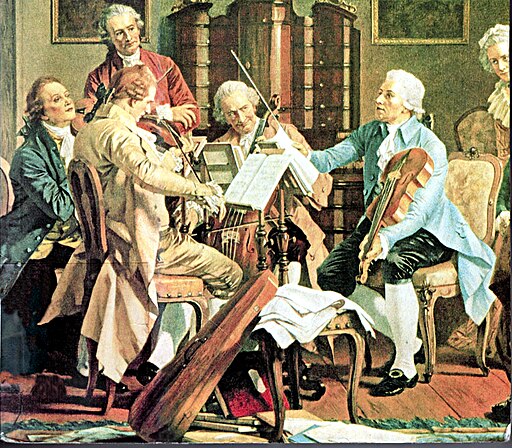
    Haydn PlayingHow to listen to Classical Music

    Pay Attention to Dynamics and Tempo

    Classical music is full of subtle changes in dynamics and tempo, which can add depth and meaning to the music. Dynamics refer to the loudness or softness of the music, while tempo refers to the speed. Paying attention to these changes can help you understand the emotions and moods conveyed by the music.

    Learn About the Composer and Historical Context

    Learning about the composer and historical context of a piece can help you appreciate it on a deeper level. Knowing about the life and experiences of the composer can provide insights into the meaning and intent of the music. Understanding the historical context can help you understand why certain pieces were written and what they were intended to convey.

    Attend Live Performances

    Attending live performances is a great way to experience classical music. Seeing the musicians perform can help you appreciate the skill and dedication required to play classical music. It can also provide a different perspective on the music and help you hear it in a new way.

    Keep an Open Mind

    Finally, it’s important to keep an open mind when listening to classical music. Not every piece will be to your taste, but by exploring different styles and composers, you might find new favorites that you never knew existed.

    In conclusion, classical music is a rich and complex genre that can be enjoyed by anyone with an open mind and a willingness to learn. By following these tips, you can start your journey into the world of classical music and discover its beauty and complexity.

  • The Art of Harmony: How This Music Composer Creates Masterpieces (ES)

    Music Composer: Music has the power to move us in ways that nothing else can. It can evoke emotions, create memories, and transport us to another time and place. But have you ever wondered what goes into creating those musical masterpieces that touch our souls? Meet [composer’s name], the mastermind behind some of the most beautiful and captivating music of our time. With a keen ear for harmony and an unwavering passion for his craft, [composer’s name] has spent his career perfecting the art of creating music that resonates with people on a deep level. From classical symphonies to modern film scores, [composer’s name]’s work is a testament to the power of music and the endless possibilities that come with finding harmony in every note. In this article, we’ll delve into the art of harmony and explore how [composer’s name] creates his musical masterpieces. So sit back, relax, and let the music take you on a journey you won’t soon forget.

    The Importance of Harmony in Music

    Harmony is an essential element of music that is often overlooked. It is the art of combining different musical notes to create a pleasing and unified sound. Without harmony, music can sound disjointed and lacking in emotional depth. For [composer’s name], harmony is the foundation upon which all great music is built.

    To create harmonious music, [composer’s name] uses a variety of techniques such as chord progressions, counterpoint, and modulation. By combining these techniques in different ways, he is able to create music that is both complex and accessible to the listener.

    In addition to creating a pleasing sound, harmony also plays a crucial role in conveying emotion in music. By carefully choosing the right chords and harmonies, [composer’s name] is able to create music that elicits specific emotions in the listener. Whether it’s the joy of a major key or the melancholy of a minor key, harmony is a powerful tool that [composer’s name] uses to great effect in his music.

    Techniques for Creating Harmony in Music

    Creating harmony in music is a skill that takes time and practice to master. There are many different techniques that composers can use to create harmonious music, and [composer’s name] has developed his own unique approach over the years.

    One technique that [composer’s name] often uses is chord progressions. By choosing a series of chords that work well together, he is able to create a sense of movement and progression in the music. This can help to keep the listener engaged and interested in the music.

    Another technique that [composer’s name] uses is counterpoint. This involves creating two or more melodies that are played simultaneously, but are still able to harmonize with each other. By carefully crafting each melody, [composer’s name] is able to create a complex and nuanced sound that is both beautiful and harmonious.

    Finally, modulation is another technique that [composer’s name] often uses to create harmony in his music. This involves changing the key of the music to create a sense of tension and release. By using modulation strategically, [composer’s name] is able to create music that is both dynamic and emotionally engaging.

    Techniques for Creating Harmony in MusicRenate Spitzner1968, CC BY-SA 3.0 https://creativecommons.org/licenses/by-sa/3.0via Wikimedia Commons

    Collaborating with Other Musicians and Artists

    Collaboration is an important part of the music composition process. Working with other musicians and artists can bring fresh ideas and perspectives to the table, and can help to create music that is truly unique and innovative. For [composer’s name], collaboration is an essential part of his creative process.

    When collaborating with other musicians and artists, [composer’s name] places a great deal of importance on communication and mutual respect. He believes that everyone involved in the collaboration should have a voice and that everyone’s ideas should be heard and considered.

    In addition to communication, [composer’s name] also values experimentation and risk-taking in collaborations. He believes that the best collaborations are those that push the boundaries of what is possible and create something truly new and exciting.

    Overcoming Creative Blocks in Music Composition

    Creative blocks are an inevitable part of the music composition process. There will be times when inspiration is hard to come by and the creative well seems to have run dry. For [composer’s name], overcoming these blocks requires a combination of patience, persistence, and a willingness to take risks.

    One technique that [composer’s name] often uses to overcome creative blocks is to take a break from the music and focus on something else for a while. This can help to clear the mind and give new perspective on the music when returning to it.

    Another technique is to experiment with different musical elements. By trying out new chord progressions, melodies, or rhythms, [composer’s name] is able to break out of old habits and create something fresh and new.

    Finally, [composer’s name] believes that taking risks is essential to overcoming creative blocks. By trying something completely different or taking a bold new approach to the music, he is able to break free from old patterns and create something truly unique and exciting.

    Examples of the Composer’s Notable Works

    [Composer’s name] has created a wide range of musical pieces over the course of his career, spanning from classical symphonies to modern film scores. Some of his most notable works include [list of notable works and a brief description of each].

    Each of these works showcases [composer’s name]’s incredible talent for creating music that is both harmonious and emotionally engaging. From the sweeping melodies of his symphonies to the evocative soundscapes of his film scores, [composer’s name]’s music is a testament to the power of harmony in music.

    The Impact of Technology on Music Composition

    Technology has had a profound impact on the music composition process. From digital audio workstations to virtual instruments, there are now more tools available than ever before to help composers create music. For [composer’s name], technology has opened up new possibilities and allowed him to create music that would have been impossible just a few decades ago.

    One example of the impact of technology on music composition is the use of virtual instruments. These software-based instruments allow composers to create realistic-sounding orchestral arrangements without the need for a live orchestra. This has made it possible for composers like [composer’s name] to create complex and intricate music without the need for a large budget or a team of musicians.

    Another example is the use of digital audio workstations (DAWs). These software programs allow composers to record, edit, and mix their music all in one place. This has streamlined the music composition process and made it easier for composers to experiment with different musical elements and arrangements.

    Tips for Aspiring Music Composers

    For aspiring music composers, the road ahead can be challenging but also incredibly rewarding. To help aspiring composers on their journey, [composer’s name] has a few tips to share.

    First and foremost, [composer’s name] stresses the importance of putting in the time and effort to hone your craft. Music composition is a skill that takes years to master, and there are no shortcuts to success.

    Secondly, [composer’s name] encourages aspiring composers to experiment and take risks. By trying out new techniques and pushing the boundaries of what is possible, aspiring composers can create music that is truly unique and innovative.

    Finally, [composer’s name] advises aspiring composers to stay true to their creative vision and to never give up on their dreams. With hard work, dedication, and a passion for music, anything is possible.

    Conclusion and Final Thoughts

    In conclusion, [composer’s name] is a master of the art of harmony in music composition. Through his dedication, hard work, and unwavering passion for his craft, he has created some of the most beautiful and emotionally engaging music of our time.

    Whether you’re an aspiring music composer or simply a fan of music, there is much to be learned from [composer’s name]’s approach to music composition. By placing a great deal of importance on harmony, emotion, and experimentation, [composer’s name] has created a body of work that is truly timeless and unforgettable.

    So the next time you find yourself lost in a piece of music that moves you, take a moment to appreciate the art of harmony and the incredible skill and dedication that goes into creating it.

  • How to Listen to Classical Music

    Classical music is a vast and complex genre that has been around for centuries. It can be intimidating for beginners to know where to start and how to appreciate it. In this article, we will provide a beginner’s guide on how to listen to classical music.

    Start with the Basics

    The first step to listening to classical music is to start with the basics. Begin with the most famous and well-known pieces, such as Beethoven’s Symphony No. 5, Mozart’s Symphony No. 40, or Bach’s Brandenburg Concertos. As you become more familiar with these pieces, you can start exploring more obscure works.

    Understand the Structure of Classical Music

    Classical music is typically structured into movements, which are individual sections of a larger work. Each movement has its own character and theme, and they are usually connected by transitions or pauses. Understanding the structure of a piece can help you appreciate the different sections and how they fit together.

    Listen to the Instruments

    One of the joys of classical music is the variety of instruments used in each piece. Listening to the individual instruments can help you appreciate the complexity of the music. For example, you might focus on the different sections of an orchestra, such as the brass, strings, and percussion. You might also listen for the unique sounds of each instrument, such as the delicate sound of a flute or the powerful resonance of a piano.

    Haydn PlayingHow to listen to Classical Music

    Pay Attention to Dynamics and Tempo

    Classical music is full of subtle changes in dynamics and tempo, which can add depth and meaning to the music. Dynamics refer to the loudness or softness of the music, while tempo refers to the speed. Paying attention to these changes can help you understand the emotions and moods conveyed by the music.

    Learn About the Composer and Historical Context

    Learning about the composer and historical context of a piece can help you appreciate it on a deeper level. Knowing about the life and experiences of the composer can provide insights into the meaning and intent of the music. Understanding the historical context can help you understand why certain pieces were written and what they were intended to convey.

    Attend Live Performances

    Attending live performances is a great way to experience classical music. Seeing the musicians perform can help you appreciate the skill and dedication required to play classical music. It can also provide a different perspective on the music and help you hear it in a new way.

    Keep an Open Mind

    Finally, it’s important to keep an open mind when listening to classical music. Not every piece will be to your taste, but by exploring different styles and composers, you might find new favorites that you never knew existed.

    In conclusion, classical music is a rich and complex genre that can be enjoyed by anyone with an open mind and a willingness to learn. By following these tips, you can start your journey into the world of classical music and discover its beauty and complexity.

  • How to Create Memorable Soundtracks

    Music is an essential part of any film or television show, and a good soundtrack can make or break a production. Film scoring is the art of composing music specifically for movies and TV shows, and it requires a unique set of skills and knowledge. In this article, we’ll explore the basics of music theory for film scoring and how you can use these concepts to create memorable soundtracks.

    Understanding Basic Music Theory Concepts

    Before we dive into film scoring, it’s important to have a basic understanding of music theory. Music theory is the study of how music works, including the fundamentals of melody, harmony, rhythm, and form. These concepts are essential to creating effective and memorable music, whether you’re writing a pop song or a film score.

    When it comes to film scoring, there are a few key concepts to keep in mind:

    1. Melody: The melody is the main theme or musical line that listeners will remember. In film scoring, the melody is often associated with the main character or the emotional tone of a particular scene.

    2. Harmony: Harmony refers to the chords and harmonic progressions that support the melody. Harmony can create tension or release, and it’s essential for setting the emotional tone of a scene.

    3. Rhythm: Rhythm refers to the timing and flow of the music. In film scoring, rhythm can be used to create tension or build suspense.

    4. Form: Form refers to the structure of the music. In film scoring, form can help guide the audience through the emotional journey of a scene.

    Using Music Theory in Film Scoring

    Now that we have a basic understanding of music theory, let’s explore how these concepts can be used in film scoring. When composing a film score, there are a few key considerations to keep in mind:

    1. Emotional Tone: The emotional tone of a scene is one of the most important considerations when composing a film score. The music should support and enhance the emotional content of the scene, whether it’s sadness, joy, or suspense.

    2. Character Theme: Creating a theme for a particular character can help establish their presence in the film and make them more memorable. The theme should be simple and easy to remember, and it should be associated with the character’s emotional journey throughout the film.

    3. Dynamics: Dynamics refer to the volume and intensity of the music. In film scoring, dynamics can be used to create tension and release, and to enhance the emotional content of a scene.

    4. Musical Motifs: Musical motifs are short musical phrases that can be used to create a sense of continuity throughout a film. By using similar motifs throughout the score, you can create a sense of unity and coherence in the music.

    5. Timing: Timing is essential in film scoring, and the music must be timed precisely to match the action on screen. This requires a deep understanding of both music and film editing, and it’s essential for creating a seamless and effective score.

    MuseScore, CC BY-SA 4.0https://creativecommons.org/licenses/by-sa/4.0via Wikimedia Commons

    Recommended Music Theory Books for Film Scoring

    If you’re interested in learning more about music theory for film scoring, there are many great books available that can help you hone your skills and take your music to the next level. Some of the top books include:

    1. “The Complete Guide to Film Scoring” by Richard Davis: This book provides a comprehensive overview of the film scoring process, including the basics of music theory, the business of film scoring, and the technical aspects of composing music for film.

    2. “Music Theory for Computer Musicians” by Michael Hewitt: While not specifically geared towards film scoring, this book provides a great introduction to music theory for anyone interested in creating music with computers.

    3. “Film Music: A Very Short Introduction” by Kathryn Kalinak:

  • Exploring the Rich Harmonies of Counterpoint in Music (ES)

    Counterpoint in music is a technique that has been used for centuries to create rich and complex harmonies by combining multiple independent melodic lines. It is a fundamental aspect of Western classical music and is also found in many other genres such as jazz and rock.

    At its core, counterpoint is the art of combining two or more melodies in a way that creates a cohesive whole. In traditional counterpoint, each melodic line is treated as equal and given its own distinct identity. This means that each line can stand on its own and be heard as a separate entity, but when combined with the other lines, it creates a harmonious whole.

    One of the key principles of counterpoint is that each melodic line should be rhythmically independent of the others.

    Key principles of counterpointMozartito, CC BY-SA 3.0 https://creativecommons.org/licenses/by-sa/3.0via Wikimedia Commons

    This means that each line should have its own unique rhythm and not simply follow the rhythm of the other lines. Additionally, the melodic lines should be harmonically independent as well, meaning that they should not simply move together in parallel intervals.

    Counterpoint can be classified into different types based on the number of independent melodic lines used. The most common type is two-part counterpoint, which involves the combination of two independent melodic lines. Three-part counterpoint and four-part counterpoint are also common.

    In addition to the number of melodic lines, counterpoint can also be classified based on the intervallic relationships between the lines. The most common type is strict counterpoint, which requires that the melodic lines move only in certain intervals, such as perfect fifths and octaves. Free counterpoint, on the other hand, allows for more flexibility in the intervallic relationships between the lines.

    Counterpoint has been used in a wide variety of musical contexts throughout history.

    In Western classical music, it has been a key component of many forms, including fugues, canons, and chorales. It has also been used extensively in Renaissance polyphony and Baroque music.

    In film scoring, counterpoint can be used to create a rich and complex sonic landscape. By combining multiple independent melodic lines, a composer can create a sense of depth and complexity that can help to underscore the emotional content of a scene.

    One of the most famous examples of counterpoint in film scoring is the opening scene of the movie “Vertigo”

    which features a hypnotic spiraling melody that is created through the combination of multiple independent lines. The effect is both mesmerizing and disorienting, and it perfectly captures the sense of vertigo that the film is trying to convey.

    Another example of counterpoint in film scoring can be found in the music of composer John Williams, particularly in his work on the “Star Wars” movies. Williams is known for his use of complex harmonies and multiple melodic lines to create a sense of epic grandeur and emotional depth.

    In conclusion, counterpoint is a fundamental aspect of music theory that has been used for centuries to create rich and complex harmonies. Whether in Western classical music, jazz, or film scoring, the technique of combining multiple independent melodic lines can create a sense of depth and complexity that is both mesmerizing and emotionally powerful. By understanding the principles of counterpoint, composers can create music that is both intellectually engaging and emotionally resonant.